
Last updated November 24, 2026
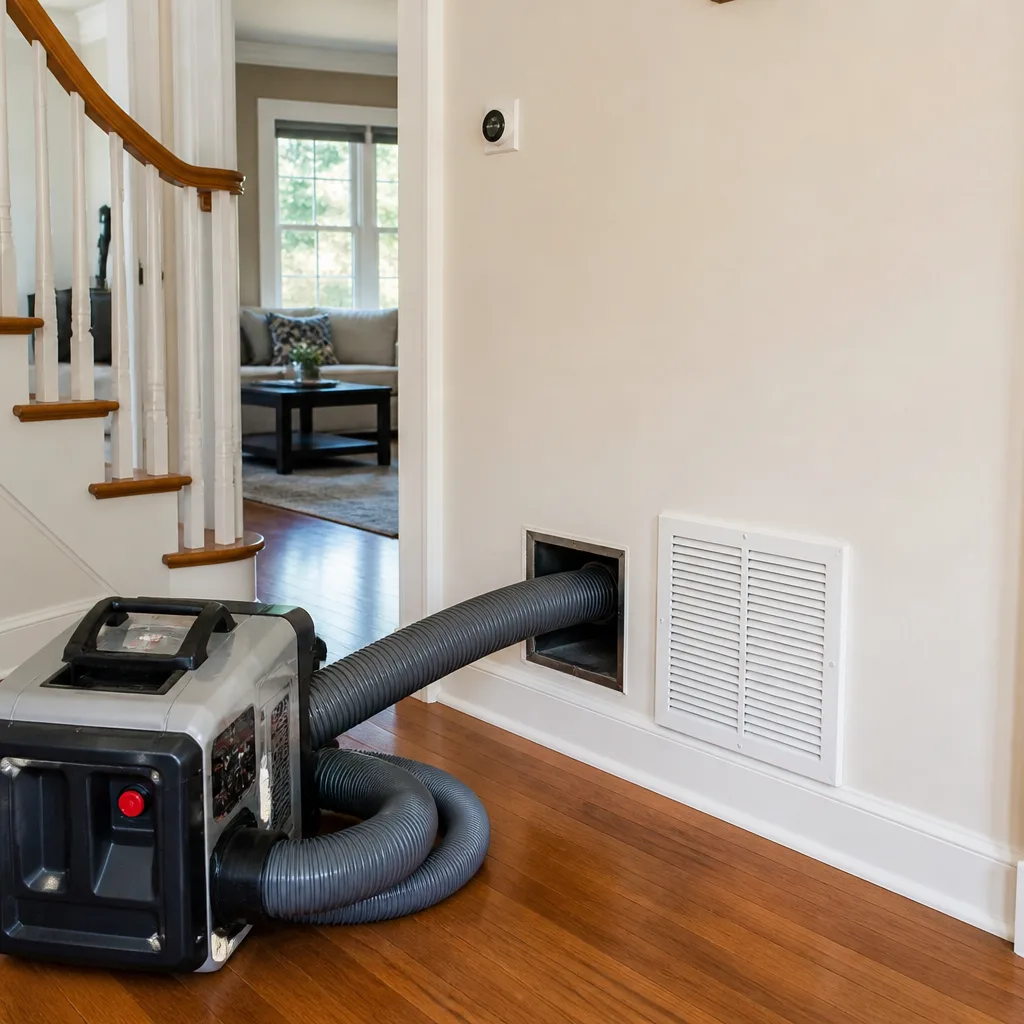 Whole-home duct cleaning
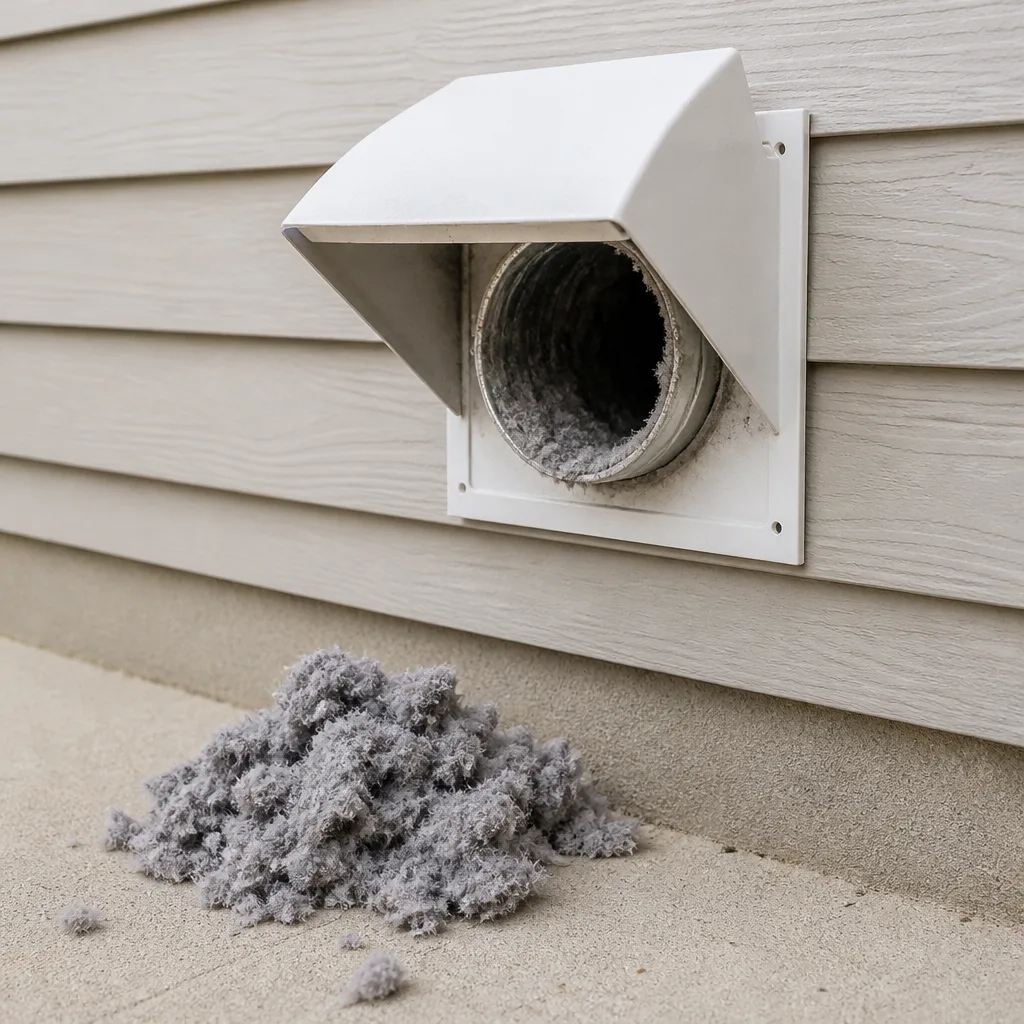 Dryer vent cleaning
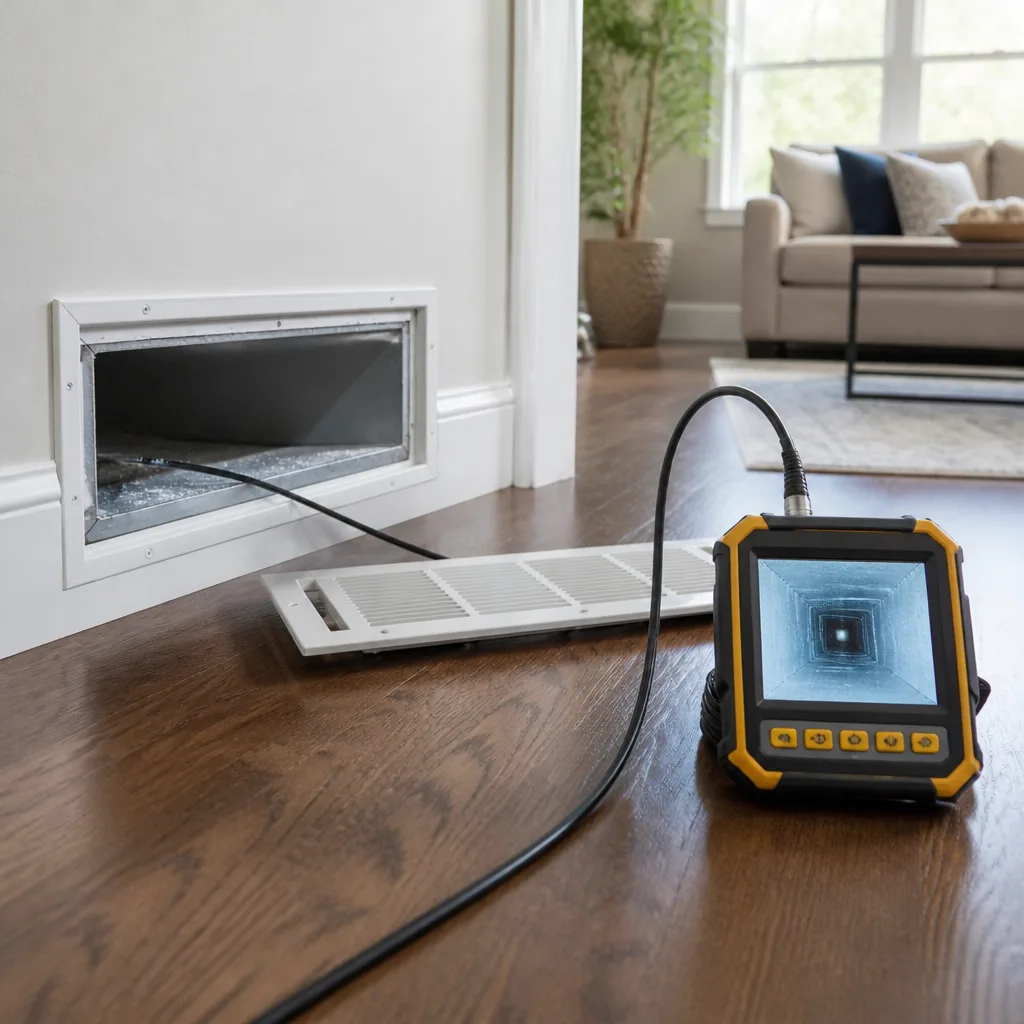 Camera inspection
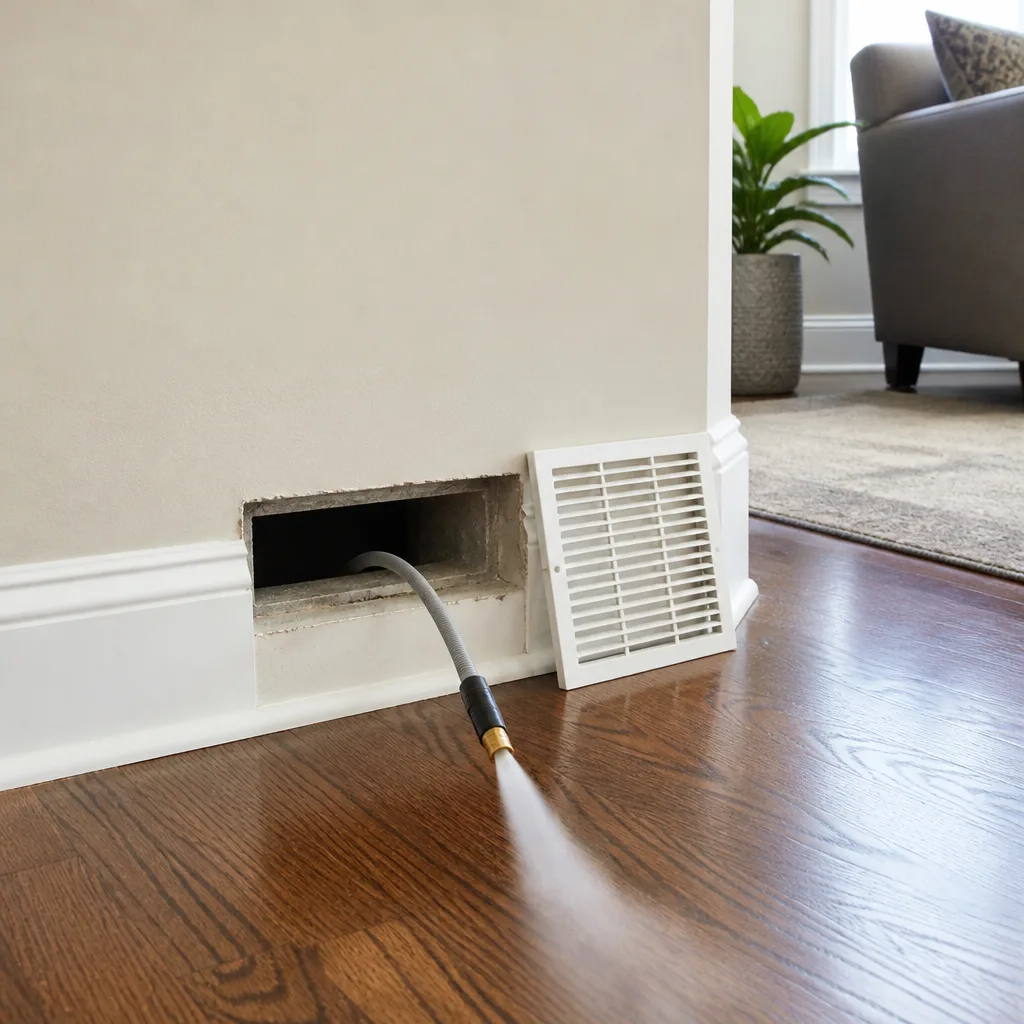 Sanitizing & deodorizing
Whole-system duct and dryer vent check with before-and-after photos - you see exactly what came out of your vents
That "$99 whole-house special" is a bait ad - the real number appears once they are in your hallway, or the "clean" is a shop-vac at the register. We photograph the inside of your ducts before and after instead.
Air Duct Cleaning Emergency Preparedness Guide for East Anaheim Homes
Most homeowners think a duct system only needs attention when it starts blowing dust. The reality is that the ducts in an East Anaheim home can absorb the effects of a single bad event – a smoke week, a slab leak, a roof that opens up in a storm – and never fully recover on their own. Fine smoke particles settle into the return side and stay put long after the air outside looks clear again. Water that reaches flex duct insulation starts a clock, not a cleanup. This guide walks through the four scenarios we see most often, how to respond to each, what to document, and when to bring in professional equipment. It’s written for East Anaheim homes specifically, with the local facts that matter.
Quick Answer
After a smoke event, water intrusion, pest invasion or major renovation, the duct system becomes the contamination vector for the whole house. The correct response is: shut the system down or seal the openings immediately, document everything with photos, then get professional assessment and cleaning before you run the HVAC for everyday use again. In a water event, that assessment window is tight – biological growth in flex duct insulation is typically a 48 to 72 hour concern. For smoke, immediate source control is critical, with cleaning done as soon as the event clears and before normal occupancy resumes.
Styles & brands we work with
- Whole-home duct cleaning
- Dryer vent cleaning
- Camera inspection
- Sanitizing & deodorizing
Table of Contents
- Wildfire Smoke Response Protocol for East Anaheim Homes
- Water Intrusion: Slab Leaks, Roof Leaks and Flood Events
- Rodent and Pest Intrusion: Active vs. Past Contamination
- Renovation Dust: Why Construction Particulate Sticks Around
- Documentation for Insurance and Contractor Scoping
- What a Professional Inspection Actually Looks At
- Why Equipment Choice Changes the Outcome
- Pre-Event Preparation for East Anaheim Homes
Wildfire Smoke Response Protocol for East Anaheim Homes
When a regional wildfire pushes the Air Quality Index into hazardous range, fine particulate matter – specifically PM2.5, particles small enough to travel with air through every gap in a duct system – infiltrates return plenums, registers, and the interior surfaces of the ducts themselves. Standard residential filtration catches some of it. It doesn’t catch all of it, and it doesn’t remove what has already settled on duct walls and in the joints of flex runs. When the outside air clears, the contamination inside the system stays.
Here’s the sequence we recommend to East Anaheim homeowners when a hazardous-air event is forecast or already underway.
- Seal the openings immediately. Tape off fresh-air intakes at the exterior, close windows and exterior doors, and set the HVAC to recirculate if the system has that function. Do not run the system on fresh-air mode during the event.
- Upgrade filtration temporarily. A MERV 13 filter is a reasonable temporary upgrade for a typical residential system – it captures most PM2.5 – but confirm your blower can handle the added restriction. If your system is already using an Aprilaire or Honeywell whole-home filter cabinet, use the highest MERV-rated filter the cabinet is designed for. If you’re not sure, call and ask. Overshooting MERV on an undersized return is worse than staying at MERV 11.
- Log the event. Note the dates the AQI hit hazardous levels in the East Anaheim area, the duration, and what you observed (visible ash, smell inside, haze in rooms after the windows were closed). This matters for insurance claims and for scoping the eventual cleaning.
- Do not run the system as normal once the outside air clears. Running the HVAC with contaminated return air spreads fine particulate through bedrooms, kitchens and living spaces.
- Get professional assessment. Once the regional smoke event passes and outdoor air quality is back to acceptable levels, schedule a professional duct cleaning and an interior visual inspection. The cleaning has to happen – the filtration upgrade during the event was damage control, not remediation.
We’ve seen the difference this protocol makes versus the more common response of doing nothing and hoping the smell fades. The smell does fade. The particulate in the ducting doesn’t leave on its own. When we arrive for air duct cleaning after an emergency in East Anaheim, we use source-capture equipment and negative-pressure containment – the Abatement Technologies standard – so the contamination releases cleanly rather than becoming airborne in the home during the cleaning itself.
For the underlying cleaning process, see air duct cleaning.
Water Intrusion: Slab Leaks, Roof Leaks and Flood Events
Water in a duct system is a different problem from smoke. Smoke is an accumulation issue. Water is a biological growth issue, and it has a clock attached to it. The clock is roughly 48 to 72 hours from the moment the duct insulation gets wet – not from the moment you notice it. Flex duct insulation, which is a fiberglass blanket wrapped in foil or plastic, holds moisture silently. If the jacket is torn or the seal is compromised, the moisture becomes a culture medium for mold spores that are already present in every home’s air.
The scenarios we see in East Anaheim homes break down into three main types:
- Slab leaks. A slab leak in a single-story East Anaheim home can wick moisture into framing and subfloor and reach duct runs that pass through the slab or crawl area. The ducts themselves may look dry at the register, but the wrapped portions underneath can stay wet for days.
- Roof leaks. Attic duct runs are especially vulnerable. A leak that soaks the attic decking and insulation can leave the flex duct jacket wet – or worse, submerged in wet insulation that keeps the moisture trapped for weeks.
- Flood and appliance overflows. Water from a failed water heater, washing machine line or entry-level flood can wick up through the return or soak any duct run at low elevation.
What to do in the first hours after you discover water intrusion:
- Shut off the HVAC system at the thermostat. Do not run it – running wet ducts distributes moisture and any growth into the living spaces.
- Photograph everything before moving anything. Yes, everything. Walls, registers, visible duct runs, exposed insulation, the meter on the water line if applicable.
- Kill the water source if you can safely. For a burst line, close the main shutoff. For a slab leak, you’ll need a plumber.
- Call the water damage side and the duct side separately. Water remediation and duct cleaning are two different specialties. Water remediation dries the structure; duct cleaning addresses the interior of the duct system itself.
- Schedule duct assessment within the 48 to 72 hour window. After that window, the assessment shifts from “is there moisture” to “is there active growth” – both treatable, but the response is different.
Ducts that are visibly wet, retain moisture after the structure is dried, or show any sign of interior growth should be assessed for replacement rather than cleaning, and duct repair and sealing follows to eliminate the source of the water path in the first place. In our experience, the East Anaheim duct systems that come through a water event cleanly are the ones where the homeowner shut the system down and called in the first day, not the third.
See the broader Air Duct Cleaning East Anaheim overview for how cleaning, sealing and sanitizing fit together.
Rodent and Pest Intrusion: Active vs. Past Contamination
Rodents, squirrels and birds find their way into attics through penetrations that the homeowner never sees – gaps around plumbing, gaps around electrical, deteriorating soffit vents. Once inside, flex duct is nearly ideal nesting material. The gnawing, droppings, urine, hair and carcasses that result aren’t just unpleasant. They’re a health concern, and the contamination left behind is not addressed by standard duct cleaning alone.
Distinguishing active from past intrusion matters because the response differs. Signs of an active intrusion: fresh droppings, gnaw marks with clean edges, sounds in the attic at night, or a chewed flex jacket you can see daylight through. Signs of past intrusion: dried droppings that crumble easily, gnaw marks with rounded and dust-covered edges, nesting material that’s completely dry and consolidated, no sounds and no fresh activity in weeks.
Why the distinction matters:
- Active intrusion means the access point has to be sealed before cleaning. Cleaning an active-infestation duct system and leaving the access point open just gives the animal a clean nest to come back to.
- Past intrusion means the contamination is stabilized but still present. It doesn’t become harmless because the animal left. Airborne particulate from dried droppings, shed hair and urine residue moves with HVAC airflow and can trigger allergies and respiratory irritation.
Both scenarios call for sanitization beyond a standard cleaning. Standard mechanical cleaning removes loose debris and surface material. Sanitizing treats the interior surfaces with an EPA-registered product appropriate for HVAC applications – the Guardsman line is what we use for the finishing pass – after the mechanical cleaning is complete. Cleaning without sanitizing on a pest scenario leaves the biological residue behind. Sanitizing without cleaning first just coats the residue.
Duct repair and sealing is the finishing step. Sealing the duct penetrations – and any attic access points adjacent to the duct system – closes the path the pest used to get in. In East Anaheim’s older single-story neighborhoods, the most common access points we find are gaps where plumbing vents pass through attic framing and deteriorating soffit at the perimeter. Those are the spots to check before you have a problem, not after.
Renovation Dust: Why Construction Particulate Sticks Around
Remodeling stirs up more fine particulate than most homeowners expect, and much of it finds its way into the HVAC system. Drywall dust, framing dust, insulation fibers, paint overspray – once airborne, the return side of the system pulls it in and settles it into duct walls and joints. Unlike normal household dust, construction particulate tends to be finer and more abrasive; some of it is chemically active. Once it embeds in the interior liner of the duct, it doesn’t blow out on its own.
The remediation sequence after a major renovation:
- Seal the returns during active construction. Cover registers and returns with plastic and tape before demo begins. It’s simple, cheap and dramatically reduces the amount of construction particulate that enters the system.
- Do not run the HVAC for cooling during the heavy demo phase. Run a separate construction air scrubber if needed. Turning on the system during demo pulls contaminated air straight into the ducts.
- Change the filter at the end of the demo phase, not the beginning. A filter loaded with construction dust protects nothing. Replace it fully when active work is done.
- Get a professional cleaning after the finishing work. The right time is after the cabinets, flooring and paint are done but before you move back in or fully open the house.
- Have the interior sealed if the liner is compromised. Duct sealing restores the integrity of the system so it holds the air it’s supposed to move.
If the renovation involved any painting or solvents, adding a sanitizing pass at the end of the cleaning is worth doing. Volatile compounds from paint and finishes can settle into duct surfaces and stay there for months. Sanitizing removes the residual film after cleaning, and it’s the last step of the process rather than a substitute for mechanical cleaning.
Renovators in East Anaheim often ask whether they can just run the duct cleaning in the middle of the project to save a step. Don’t. Cleaning mid-project means you’ll be paying for the same work twice. Clean once, at the end.
Documentation for Insurance and Contractor Scoping
Good documentation is what separates a straightforward insurance claim from a dispute. After any of the four scenarios above, the homeowner who has clear photos and a written log of what happened gets scoped faster, and the professional has less guesswork to do. A few specific things to capture:
- Date and time of discovery. Not the date of the event – the date you noticed, if it’s different. Note both.
- Wide shots and close-ups. Every register, every visible duct run, every area affected. Wide shots show context, close-ups show detail. Take both.
- AQI data for a smoke event. Screenshot the local air quality readings during the event. It’s the fact that supports the claim the home was exposed.
- Receipts and professional reports. Any plumber or water damage company that has already been involved – keep the paperwork.
- The event history in plain language. One paragraph explaining what happened, when, and what has already been done, so the contractor scoping the work doesn’t have to guess.
What to tell the contractor – worth getting right before the first call:
- The type of event: smoke, water, pest, or renovation dust.
- The duration and scope: how long the event lasted, how many rooms were affected, and whether the HVAC was running during the event.
- Any visible signs inside the duct: moisture, dark staining, droppings, construction dust at the registers.
- Any previous duct cleaning and when, if you know. Prior work matters for establishing what was clean before the event and what wasn’t.
- Any symptoms: allergies worsening, odors when the HVAC runs, visible dust collecting on registers.
For an insurance claim, the professional assessment that follows is what carries weight in the file. That’s part of why we photograph every job before and during the work – before-and-after photos give you a clear record of what was found and what was done, for the claim file or for your own records. See the HVAC side of that inspection in HVAC cleaning.
What a Professional Inspection Actually Looks At
A real inspection is not a flashlight pointed at a register. It’s a systematic check of the full system – supply and return – with the right equipment. Here’s what should be on the inspection checklist in any East Anaheim home, whether the assessment is triggered by an event or is a routine evaluation.
- Interior visual of the main trunks. This is where the bulk of the contamination accumulates and where most visual inspections miss the story.
- Flex duct condition. Jacket integrity, moisture at the liner, evidence of gnawing or pest access.
- Register and return grille condition. Built-up dust, staining, rust – each one tells you something different about what’s happening inside.
- Air handler and coil. The coil is downstream of the ducts; contamination in the ducts becomes contamination on the coil over time. Cleaning ducts without checking the coil is treating half the problem.
- Duct connections and seams. Air loss at the seams means the system is pulling air from the attic or garage, which routes unfiltered air through the house. Duct sealing addresses this.
- Return plenum interior. Frequently overlooked. It’s the lowest-pressure zone in the system, so it accumulates the finest particulate first.
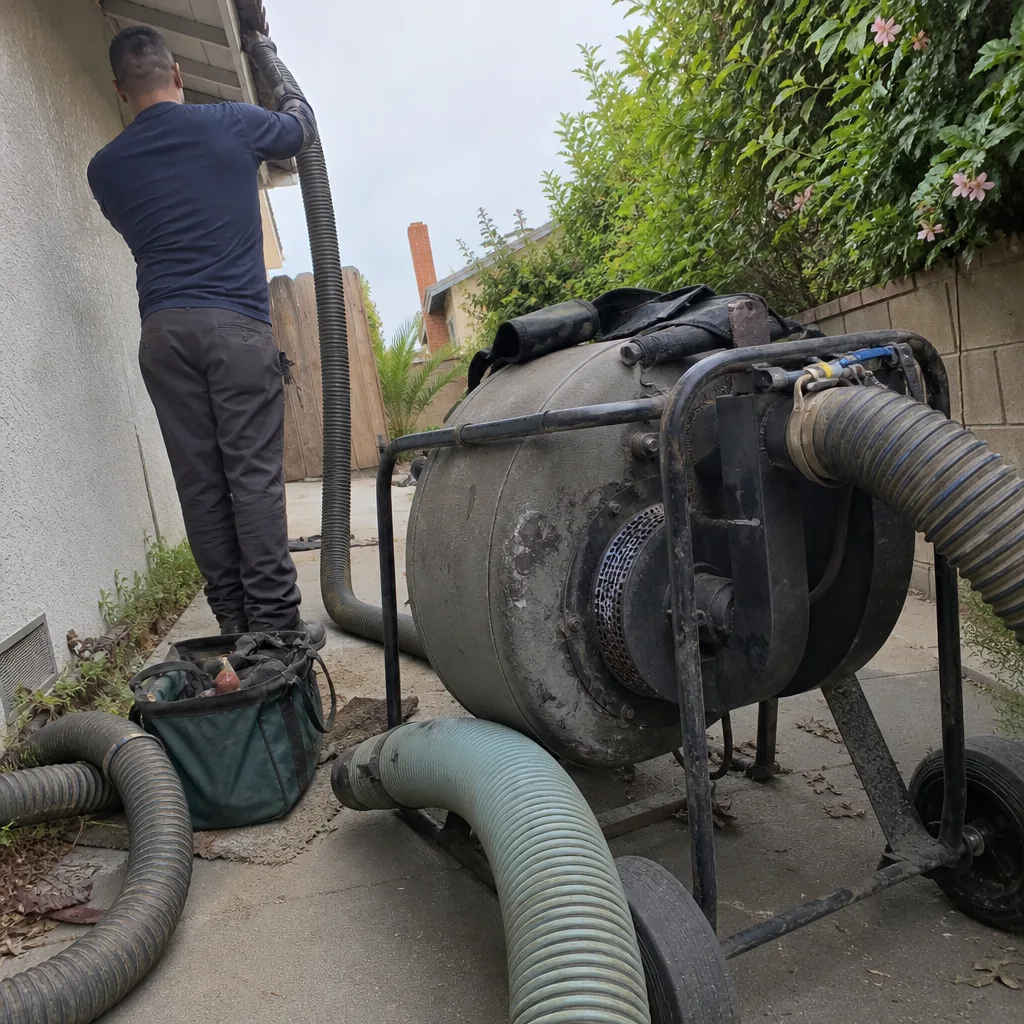
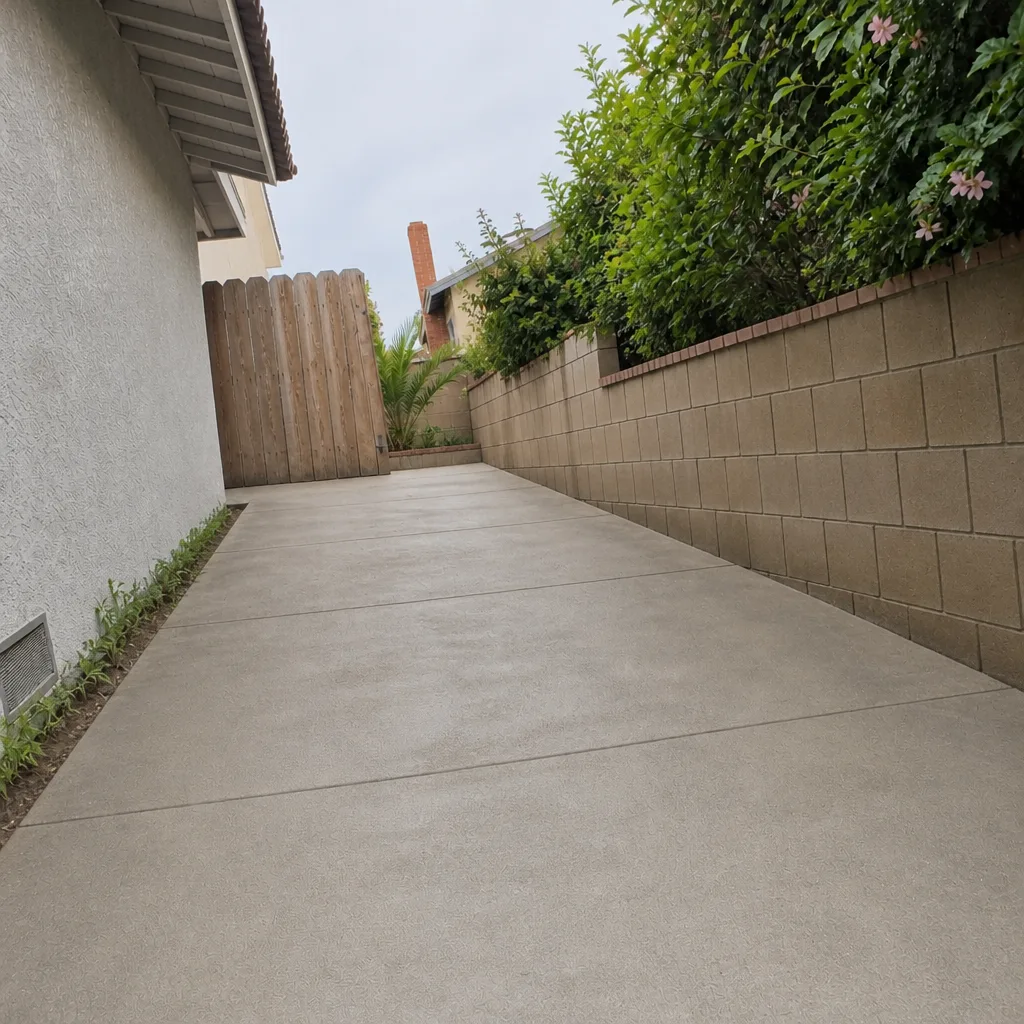
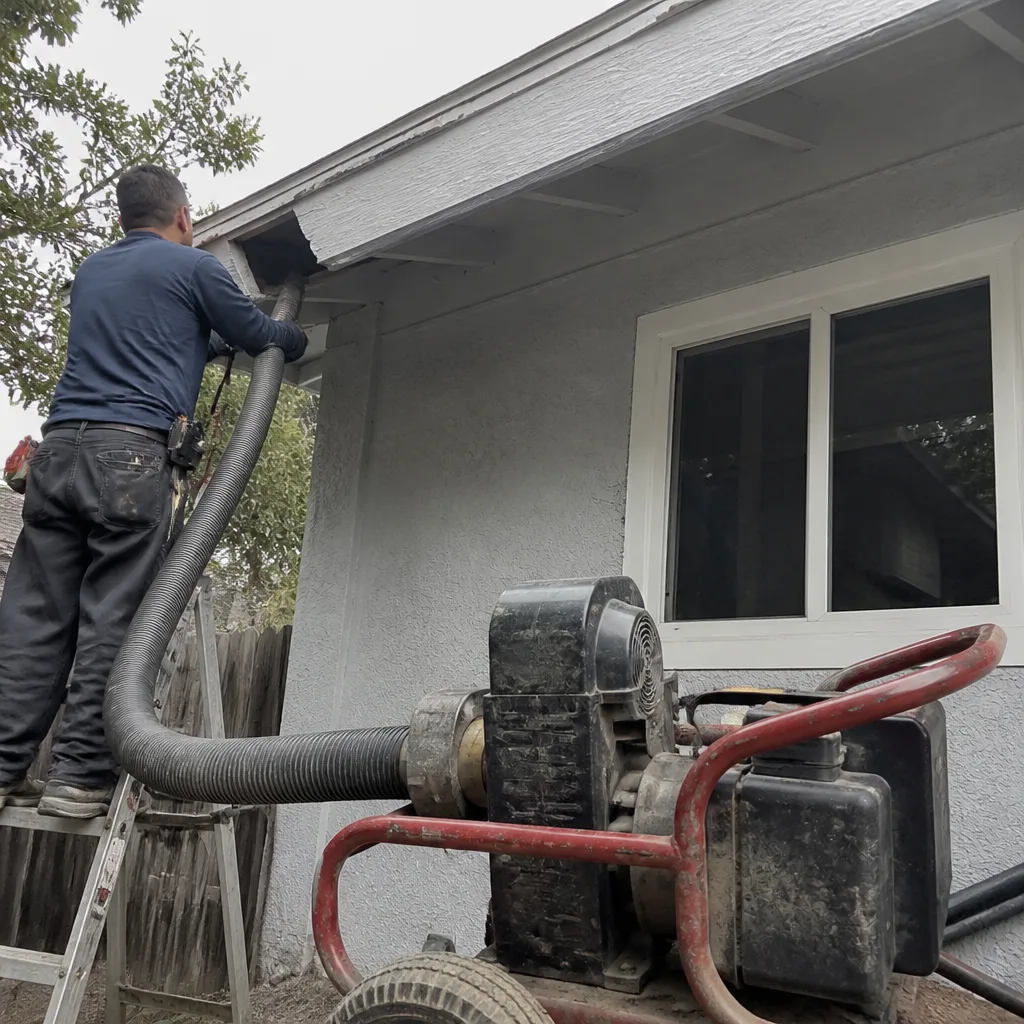
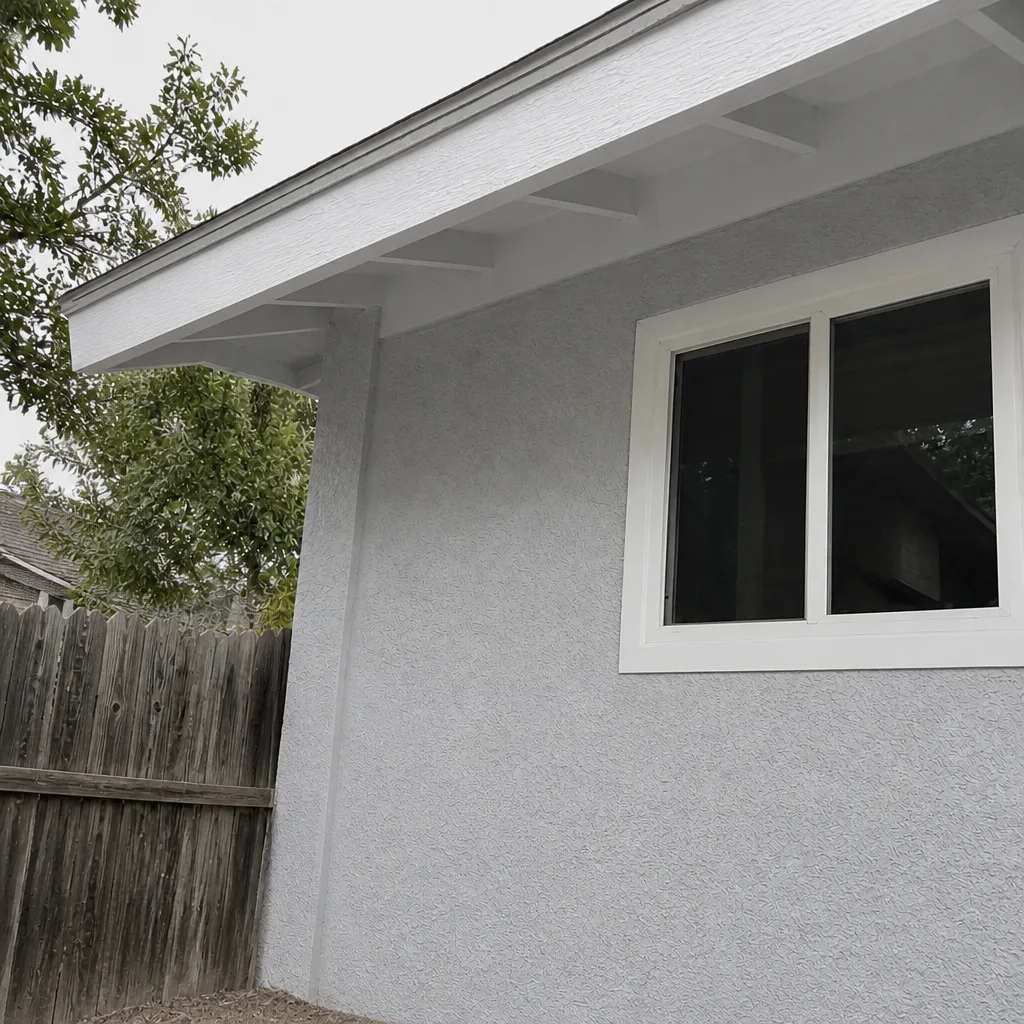
Comparison and transparency are part of a good inspection. We show photos of what we find before we start cleaning and after – so the homeowner can see what was in the ducts and confirm the work was actually completed. That’s standard practice on every job, not a special request.
If any part of the system is inaccessible or the technician can’t get a clear view of what’s inside, they should say so, not guess. If your contractor won’t put a camera on the interior or won’t show you the photos, that’s a decision point.
Why Equipment Choice Changes the Outcome
This is where the industry has a real quality gap, and it’s worth understanding before you hire. Duct cleaning equipment falls into two basic categories: purpose-built professional systems, and improvised tools – shop vacuums, leaf blowers with a hose adapter, “negative pressure” from a box fan and plastic sheeting. The visual difference on a quick glance can be small. The difference in what actually releases from the duct interior is large.
Purpose-built equipment is engineered to do three things at once:
- Aggitate the surface. Rotobrush and Nikro systems use rotating brushes and high-velocity air whips sized for the interior diameter of residential duct – so they scour the walls rather than just pulling air past them.
- Contain the release. Negative-pressure containment is what keeps the contamination from becoming airborne in the living space during cleaning. Abatement Technologies equipment is built for source-capture ventilation, which is the standard used in remediation-level work.
- Reach the full system. Returns, plenums, coil cabinets and the main trunks – not just the supply runs a homeowner can see from a register.
Professional-grade equipment, not improvised tools, is the reason a cleaning job holds up under a photo comparison rather than looking the same before and after. Consumer vacuums move a fraction of the air volume and provide no containment at all; the dust they lift goes into the room. That’s a real distinction, and it’s why the choice of equipment matters more than most homeowners realize.
Compatibility with premium air quality systems is the other half of the equipment question. If the home has an Aprilaire or Honeywell whole-home filtration or humidity system already installed, the cleaning needs to be done without disturbing the system’s calibration and with the filter cabinet’s requirements respected. That’s true of East Anaheim homes in newer construction and in older homes where a filtration upgrade has been added.
Dryer vent cleaning is part of the same equipment family and often goes overlooked in an emergency-prep checklist. A dryer vent packed with lint is a fire-safety concern, and it’s an easy one to cross off in the same visit as the duct work. See dryer vent cleaning.
Pre-Event Preparation for East Anaheim Homes
The single most useful thing any homeowner can do is prepare before the event, not after. The list below is what we’d put on a refrigerator door in East Anaheim, whether the home is in a canyon-adjacent neighborhood or a flat single-story tract.
- Know the main water shutoff location. Every adult in the house should know where it is and how to turn it off. A burst line is a much smaller event when the water gets shut off in the first minute.
- Check your return plenum and attic duct runs. Look for gaps at plumbing vents, deteriorated soffit vent screens, and any flex duct jacket that’s torn or loose. Sealing those access points before a pest event is much cheaper than sealing them after.
- Keep a MERV 13 filter on hand for the smoke season. Confirm the return cabinet and blower are sized to handle it; ask your HVAC technician if you aren’t sure. Store it in a plastic bag so it stays clean until needed.
- Seal exterior fresh-air intakes before an air event, not during. Know which intakes your home has and how to close them.
- Seal the returns during any renovation. Plastic and tape before demo begins. It’s the single lowest-effort step that prevents the largest cleaning bill.
- Photograph your duct system now, while it’s clean. Registers, visible attic runs, coil cabinet. Those “before” photos are the baseline that proves what was done later, whether for insurance or your own records.
- Schedule periodic cleaning so the baseline doesn’t drift. Every few years, depending on pets, allergies, and whether there’s been a renovation in the home – a routine cleaning keeps the starting point clean and makes the next event easier to document.
Air quality work is a team effort between the homeowner, the HVAC technician, and the duct cleaning specialist. Every one of these steps is something the homeowner can do in under an hour on a Sunday afternoon.
Common Mistakes to Avoid
- Running the HVAC during a smoke event to “clear the air.” The system pulls contaminated outdoor air into the return and adds it to what’s already in the ducts. Seal the openings and shut the system down.
- Skipping the call within the 48 to 72 hour window after water intrusion. The window isn’t the entire cleanup timeline; it’s the window in which assessment catches contamination before it becomes growth. Past the window, the response becomes significantly more involved.
- Cleaning ducts during a pest event without sealing the access points. The animal gets a clean nest. Seal first, clean second, sanitize last.
- Running duct cleaning in the middle of a renovation. You’ll pay for the same work twice. Wait for finishing work, then clean.
- Accepting a quote that isn’t scoped to the full system. If the quote covers supply runs only – skipping returns, plenums and the coil cabinet – it doesn’t cover the places contamination actually lives. Ask for the scope in writing.
- Hiring on price alone after an event. A cheap cleaning with consumer equipment will visually look similar before and after, and won’t hold up under a photo comparison. Ask what equipment is used, and ask to see before-and-after photos.
- Not documenting the event. Photo and written records are what makes the insurance claim and the professional scoping straightforward. Skipping documentation doesn’t save time; it makes the next step slower.
See the difference
 Before
 After
 Before
 After
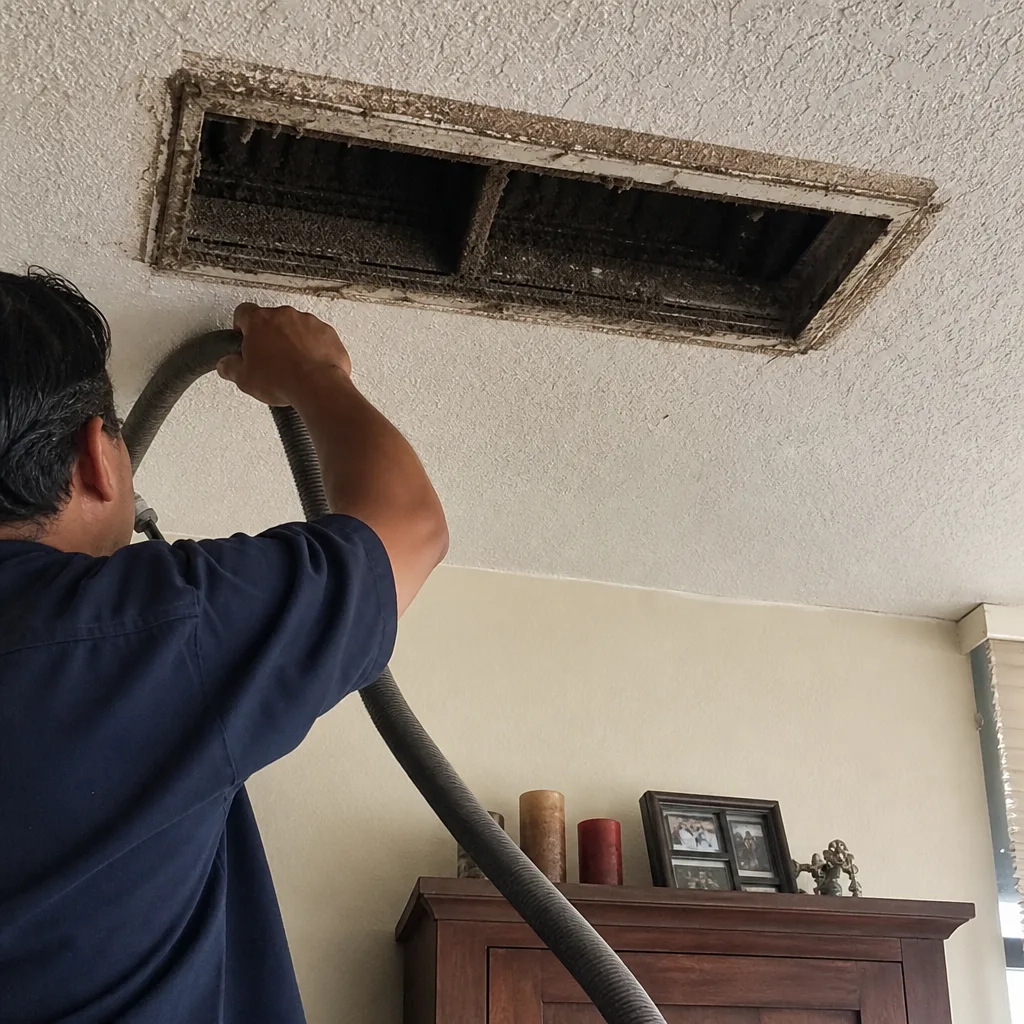 Before
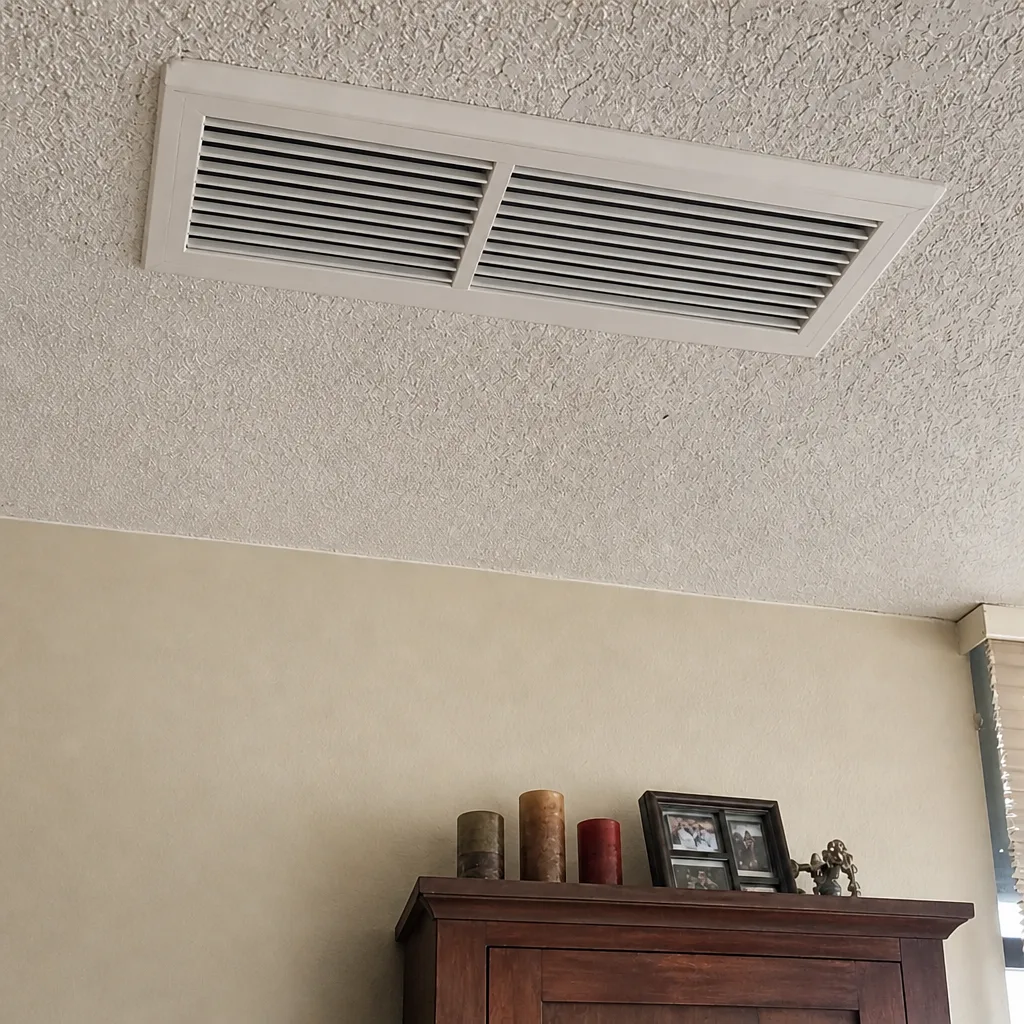 After
When to Call a Professional
Call a professional duct cleaning contractor when any of the following apply: your home was exposed to a regional wildfire smoke event during which the HVAC ran; the duct system was in contact with water from a burst line, slab leak, roof leak or flood within the last three days; you see evidence of rodent intrusion (active or past) inside the duct runs; or you’ve just finished a major renovation and want the system properly cleaned before normal occupancy. Also call if you notice a musty smell when the HVAC runs, visible dust blowing from the registers immediately after the system cycles on, or worsening allergies in the house that don’t respond to filtration alone. For routine cases – no event, just time and pets – periodic cleaning is a good habit. Air Duct Cleaning East Anaheim offers free estimates in East Anaheim – call (844) 834-1661. We answer 24/7. Fast dispatch from 7am to 7pm, Sunday through Friday.
Frequently Asked Questions
A typical whole-home duct cleaning in East Anaheim runs in the low hundreds to a few hundred dollars, depending on the size and age of the home and the number of runs. Event-driven cleanings – especially those involving sanitizing after a pest or water scenario – add a step and are scoped separately. We price per job, per system, from a written estimate agreed before work starts – no per-vent pricing and no coupon-teaser figures. Call (844) 834-1661 for a free estimate.
48 to 72 hours is the window before biological growth becomes a realistic concern in flex duct insulation. The clock starts when the ducts got wet, not when you noticed. The practical answer is: call the same day you discover the water. Every hour after the window makes the assessment more involved and the response more likely to shift from cleaning to replacement.
Because they often aren’t cleaning the full system, aren’t using purpose-built equipment, or aren’t including sanitizing when it’s actually needed. A quote for supply runs only, at a teaser price, will look complete on paper and won’t hold up under a photo comparison. Ask what specific equipment is used on the job, what the scope covers (returns, plenums, coil cabinet), and whether sanitizing is included. Call (844) 834-1661 for an honest, whole-system estimate.
You ask for before-and-after photos of your own duct system, taken by the technician during the job. Any professional contractor should provide these as standard practice – not on request. The photos should show the interior of the main trunks and returns, not just a clean register grille. If your contractor won’t show you photos of what was cleaned, that’s a sign.
No. Fine PM2.5 particulate that has settled into the duct surfaces doesn’t leave on its own. Running the system after the outdoor air clears moves that settled material into the living spaces, where it becomes part of the everyday air your family breathes. The temporary MERV upgrade during the event was damage control, not remediation. Professional cleaning after the event is what actually removes the contamination.
For a home with no pets and no allergy concerns, every few years is a reasonable rhythm. Homes with pets, allergy-sufferers, recent renovations, or any of the four event scenarios above need it on the event-driven schedule, not the routine one. If you can’t remember when the ducts were last cleaned and the registers are dusty within a week of wiping them down, the answer is: this year. Call (844) 834-1661 for an assessment.
The Bottom Line
Air duct cleaning emergency preparedness comes down to a handful of practices that hold up across all four event types. Seal openings before and during the event. Shut the HVAC down instead of hoping it “clears the air.” Document everything – photos, dates, AQI readings, water damage discovery times – because documentation is what makes the insurance claim and contractor scoping straightforward. Then get professional assessment on the right timeline, which for water means the same day and for smoke means as soon as the event clears. The equipment matters as much as the timeline; purpose-built systems like Rotobrush and Nikro, containment equipment in the Abatement Technologies family, and sanitizing as a final step rather than a substitute for cleaning – those are the things that separate a real cleaning from a visual one. East Anaheim homes face all four of these scenarios, and the ones that come through cleanly are the ones where the homeowner knew what to do in the first hour, not the first week.
Call Air Duct Cleaning East Anaheim at (844) 834-1661 for a free estimate. We answer 24/7. Fast dispatch from 7am to 7pm, Sunday through Friday. One flat price per system agreed before work starts, before-and-after photos of your own ducts, and a single contractor handling duct cleaning, dryer vent cleaning, HVAC cleaning, duct repair and sealing, and sanitizing.
Written by the team at Air Duct Cleaning East Anaheim.