
Last updated November 24, 2026
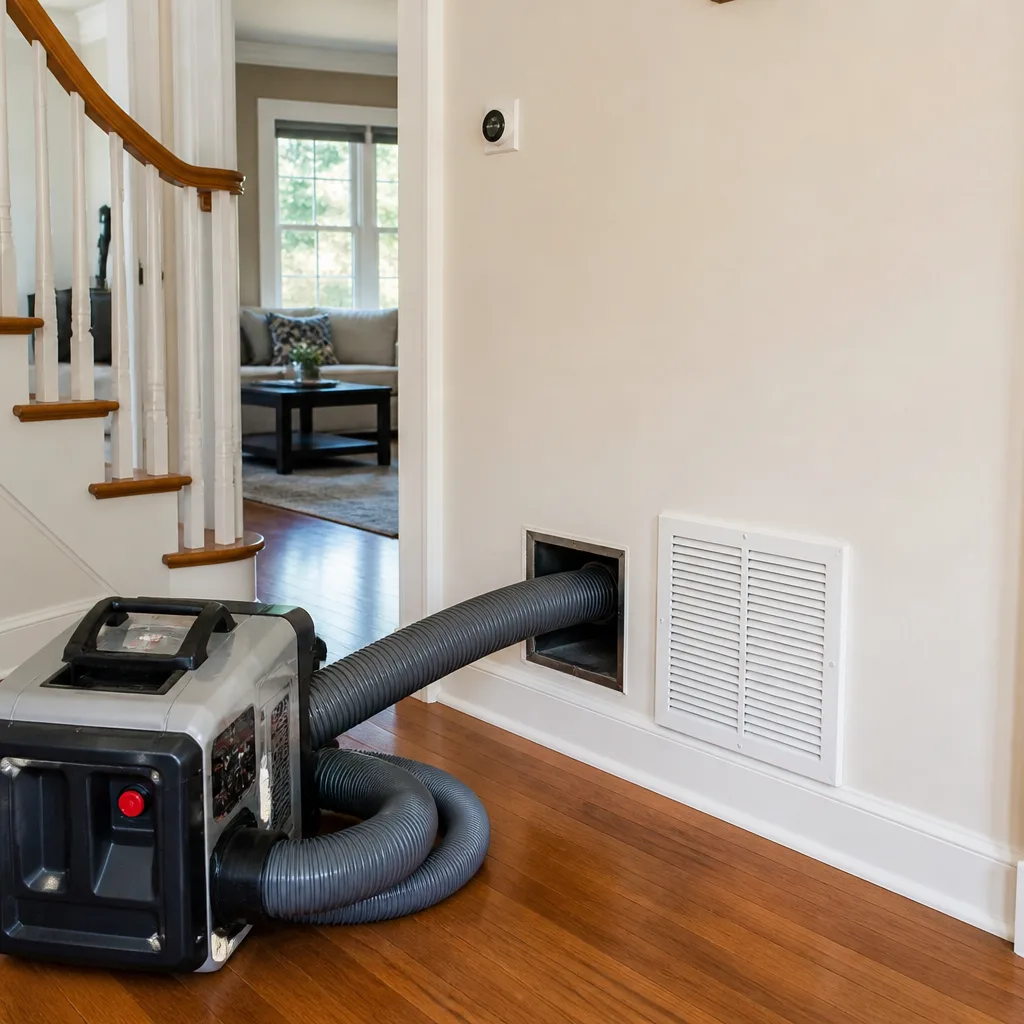 Whole-home duct cleaning
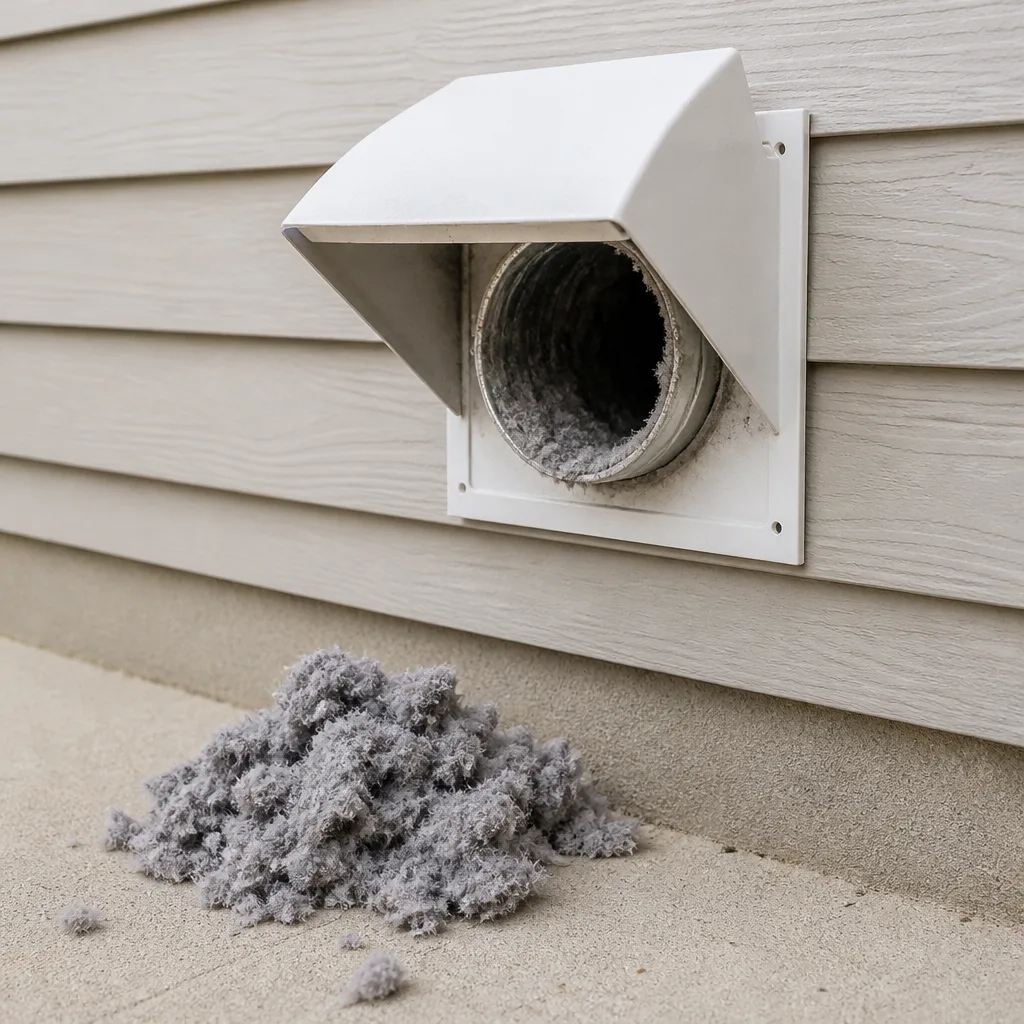 Dryer vent cleaning
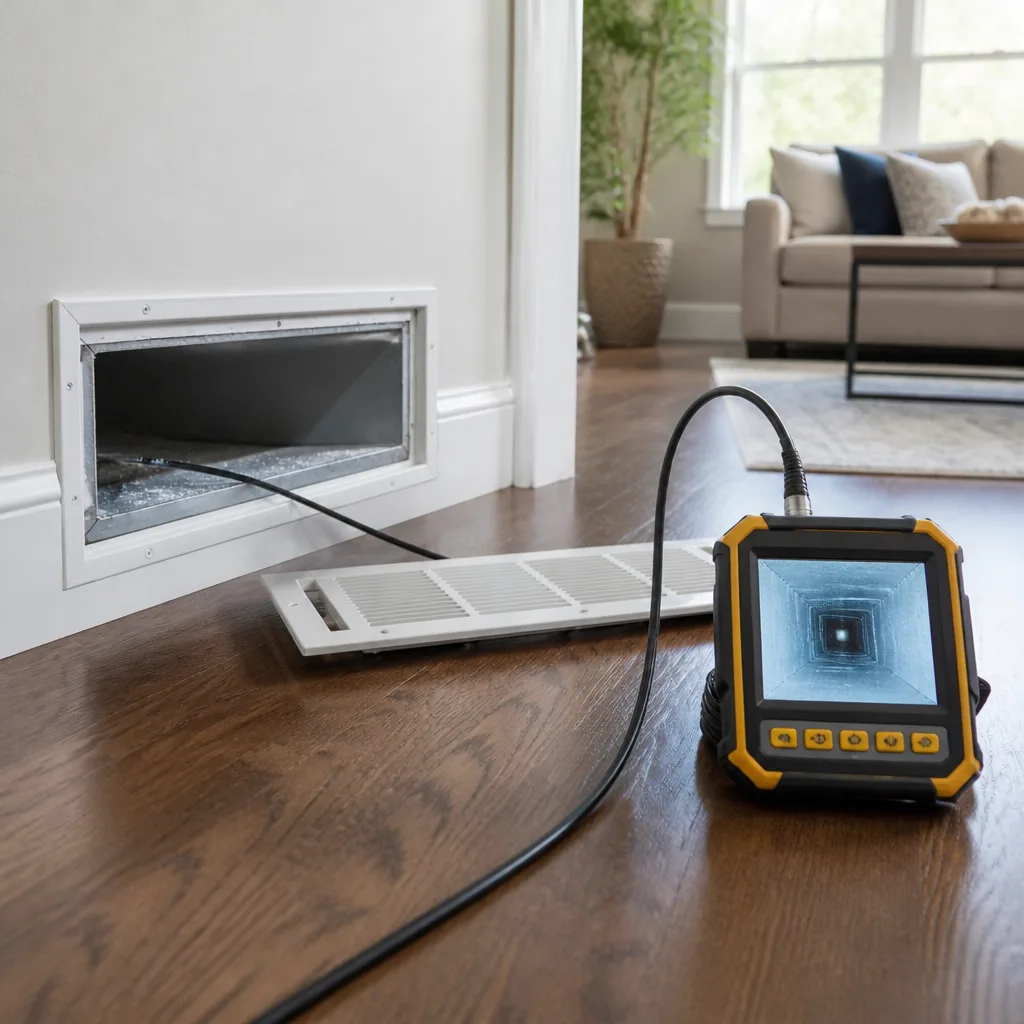 Camera inspection
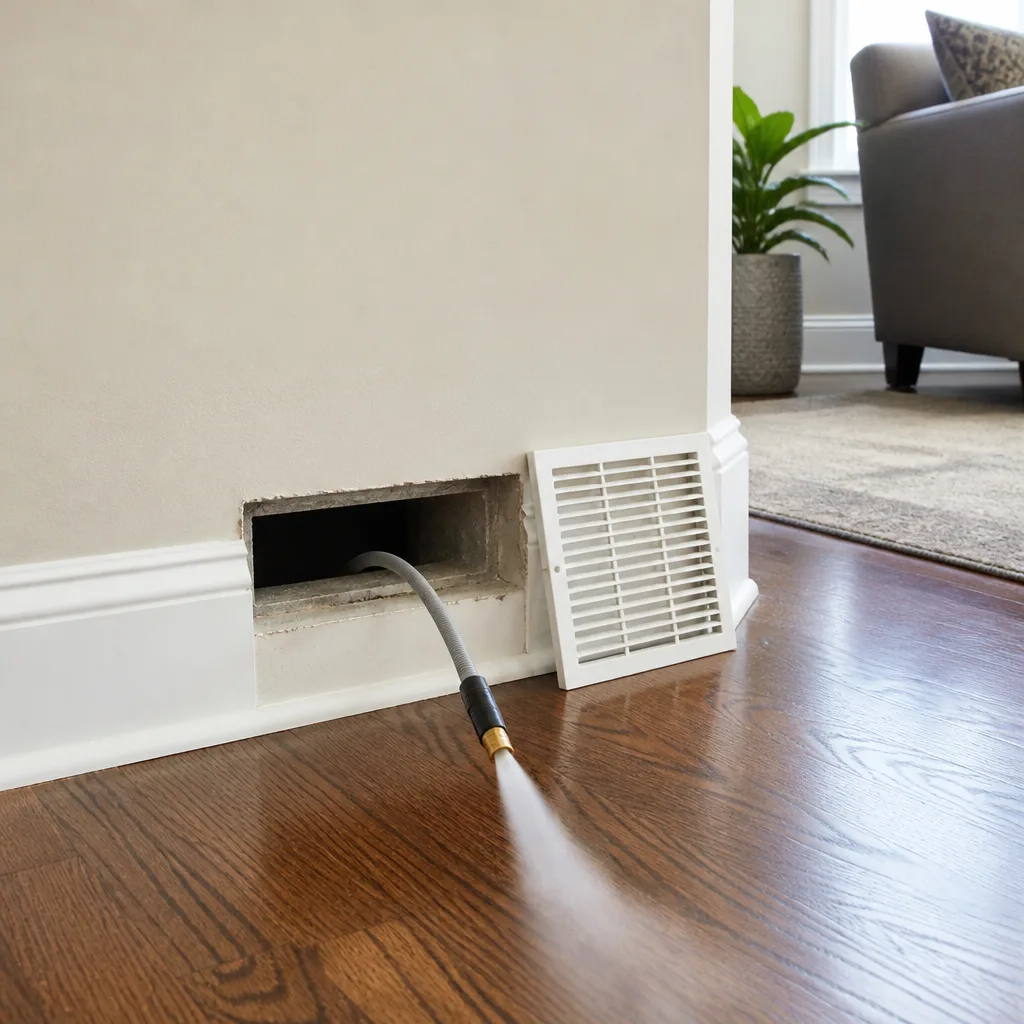 Sanitizing & deodorizing
Whole-system duct and dryer vent check with before-and-after photos - you see exactly what came out of your vents
That "$99 whole-house special" is a bait ad - the real number appears once they are in your hallway, or the "clean" is a shop-vac at the register. We photograph the inside of your ducts before and after instead.
Air Duct Cleaning Maintenance Schedule: What to Do and When
The EPA’s often-quoted three-to-five-year guideline is not a prescription. It’s a floor, and it was written broadly, not for Southern California specifically. East Anaheim has Santa Ana wind events that dump fine dust into the air for days, plus wildfire smoke seasons that push particulate deep into return systems. Some homes here hit that “three-year” threshold in half the time. The interval you actually need depends on your duct material, your household, your pets, your remodels, and what’s happening in the sky outside. This guide lays out how to build that schedule for your specific home, what to do between full cleanings, and how to read your own filters as a real-time meter.
Quick Answer
Most homes in East Anaheim should have ducts cleaned every three to five years as a baseline, then shortened based on adjustments: two years for homes with heavy shedding pets, allergy sufferers, recent remodels or flex duct, and sooner after a major wildfire smoke event. Between cleanings, replace filters on the recommended cycle (usually every one to three months here), vacuum registers seasonally, and note the load rate your filters show. A written baseline from each cleaning is the single most useful tool for the next schedule.
Styles & brands we work with
- Whole-home duct cleaning
- Dryer vent cleaning
- Camera inspection
- Sanitizing & deodorizing
Table of Contents
- How often should air ducts be cleaned? The baseline intervals
- What shortens or lengthens your interval
- Duct material and home age change everything
- Between cleanings: the maintenance that actually matters
- Read your filters like a gauge
- What to document after every cleaning
- Post-wildfire smoke protocol for Orange County
- Common mistakes to avoid
- When to call a professional
How Often Should Air Ducts Be Cleaned? The Baseline Intervals
Start with a baseline, then adjust. The baseline is the starting number you write down, and the adjustments are what make it fit your home. Most East Anaheim homes start here:
- Standard household, no pets, no allergies: every four to five years.
- Light pet household (one small dog or cat): every three to four years.
- Two or more shedding pets, or any allergy sufferer in the home: every two to three years.
- Newer construction with heavy flex duct runs or recent remodels: first cleaning at two years, then reassess.
- Homes bordering busy East Anaheim corridors (Katella, Lincoln, the 91 closeby): shave a year off the baseline.
These are starting points, not a permanent calendar. A thoughtful schedule gets adjusted at every cleaning based on what the technician actually pulls out. If your first cleaning comes back with a light dust load, you can extend. If it comes back heavy with construction debris or pet hair, you shorten and recheck.
Where this baseline gets ignored is at the level of the whole home system. Cleaning ducts but leaving the air handler and coil untouched does little for the air you breathe. That’s why we line up ourair duct cleaning work with HVAC-side cleaning on the same visit when the equipment warrants it. Both halves of the system contribute to the load.
What Shortens or Lengthens Your Interval
This is where the generic three-to-five-year advice falls apart. In East Anaheim, the variables that drive contamination rate are specific and predictable. Treat them as multipliers, up or down.
Shortens the interval (clean sooner)
- Pet load: dogs and cats shed dander and hair that bypasses filters and settles in return plenums. A home with three pets generates the dust of a house twice its size.
- Allergy or asthma in the household: the point of cleaning is reducing circulating particulate, so the tolerable level of dust goes down.
- Recent remodel or construction nearby: drywall dust, sawdust, and concrete particulate travel through the air and get pulled into return intakes for months after the work is done.
- Santa Ana wind events: our wind season carries fine dust from inland and desert areas. That dust gets in through every gap and lands on every horizontal surface, including duct interiors.
- Wildfire smoke exposure: smoke particulate is fine enough to pass basic filters and coat the inside of ductwork and the air handler.
- Flex duct: corrugated interior surfaces trap debris in a way smooth sheet metal doesn’t.
Lengthens the interval (can clean less often)
- Well-sealed, well-filtered system: a tight duct system with a quality filter cabinet and no gaps means less dust enters.
- Low occupancy: second homes or single-occupant homes generate less dust and dander.
- Sheet metal ductwork: smooth interiors are easier to clean effectively and stay cleaner longer between services.
- Whole-home filtration already in place: homes running Aprilaire or Honeywell media cabinets are catching more at the source.
If any of the shorteners are stacked in your home, take the shortest adjustment and work backward. A two-pet East Anaheim household with one allergy sufferer and a recent kitchen remodel is closer to a two-year cycle than a five-year one.
Duct Material and Home Age Change Everything
The same dust load behaves differently in different duct systems. Knowing what you have matters more than knowing how old the house is, though the two are related.
Flex duct
Flexible duct is corrugated, which means the interior ribs catch debris. It’s also harder to clean thoroughly with improvised tools because brushes and vacuums can damage the liner if the equipment isn’t correct. We use Rotobrush equipment built for this exact job, with brushes and whips designed for flex liner so the cleaning is effective without tearing. A flex-ducted home in East Anaheim should lean toward the shorter end of the baseline.
Sheet metal ductwork
Smooth galvanized or sealed sheet metal cleans more completely. Debris doesn’t lock into the surface, and inspection with a camera confirms the result. Older East Anaheim homes with original sheet metal often have dust that has settled for years, sometimes decades, and the first thorough cleaning removes a load that lighter-constructed ductwork never accumulates.
Duct board and older construction
Duct board (rigid fiberglass with a foil face) appears in some mid-century construction and is more sensitive to moisture and mechanical damage. Cleaning it requires lighter equipment and closer inspection. Homes of this era also often have duct systems with more gaps, which means more opportunity for dust to enter and air to escape. That’s the case for pairing cleaning with duct repair and sealing, which we offer alongside cleaning precisely because one addresses the symptom and the other addresses the source.
New construction and recently remodeled homes
A newly built or heavily remodeled East Anaheim home should be cleaned at the two-year mark. Construction dust is finer and more aggressive than ordinary household dust, and it lands inside the air handler and every branch run before the home is ever occupied. The first cleaning is really a “construction debris removal,” and after that the home falls into a normal baseline.
Between Cleanings: The Maintenance That Actually Matters
The gap between professional cleanings is where most homeowners lose ground. These are the tasks worth doing on your own, in order of impact.
1. Replace filters on the correct cycle for your home
In East Anaheim, the standard one-to-three-month filter change interval tightens during wildfire season and Santa Ana wind events. Pleated filters rated MERV 8 to MERV 11 handle most homes. Higher MERV filtration (MERV 13+) can load faster and may not be right for every blower system, so check your air handler’s specs before upgrading. This is exactly where a whole-home filtration setup from a manufacturer like Honeywell or Aprilaire pays for itself: the media cabinet holds larger, higher-efficiency filters that change less often and catch more.
2. Vacuum registers and return grilles
Registers collect dust on the visible face, and the return grille may be one of the dustiest surfaces in the house because it’s the last stop before the air handler. Vacuuming them every month or so (a brush attachment, no water) reduces what falls back into the system. This is simple work, and it significantly reduces the load entering the ducts.
3. Check the condensate drain and the coil area
Peek at the indoor coil during filter changes. A dirty coil means reduced airflow and higher energy use; it also signals that debris is getting past the filter. Call for HVAC cleaning when the coil or the air handler interior shows visible buildup. We line up that work with duct cleaning on the same service call.
4. Watch for basement-level air leaks
If you can feel air escaping around a register boot or where a duct connects to a plenum, that gap is pulling dust in from the wall cavity or attic. Small sealing jobs are worth doing early. Gaps that get bigger are worth a professional duct repair and sealing visit.
5. Note smoke events and remodel activity
Keep a simple note on the fridge or in your phone for major wildfire smoke events, nearby construction, and any interior remodel. These are the events that should trigger an earlier cleaning than your calendar says.
Between these tasks, the professional cleaning itself handles the interior. For a full picture of what that visit covers (equipment, camera inspection, before-and-after), see our mainAir Duct Cleaning East Anaheim page.
Read Your Filters Like a Gauge
The single best indicator that your schedule needs adjusting is not the calendar. It’s your filter. Filter loading rate tells you how fast dust is entering the system, and it’s information you can collect without any equipment.
How to read filter loading rate
- Install a new filter and write the date on the frame with a marker.
- Check the filter weekly for the first month. Note the color and the visible dust pattern.
- If the filter visibly greys out in four to six weeks, your indoor dust load is high and your cleaning interval should shorten by a year.
- If the filter looks nearly new at the three-month mark, your system is running clean and you can safely work toward the longer end of the baseline.
Loading rate also tells you when something changed. A filter that suddenly loads faster than it did last year is a signal: maybe a new pet, a nearby construction project, or a duct leak pulling attic or wall-cavity air. Each of those is a schedule adjustment, and each is worth a professional look.
Notes on loading across the year: in East Anaheim, filter loading typically accelerates in the fall when the Santa Ana winds arrive and during any wildfire event on the regional airshed. Some homes see their filter load double during a bad smoke season compared to a mild winter. Regular observation turns that into advance warning rather than a surprise at the next service visit.
What to Document After Every Cleaning
Every cleaning visit is only as useful as the information you walk away with. A proper service visit should leave you with data the next technician can use. Ask for and keep the following in a single folder (paper or photos on your phone):
- Pre-cleaning inspection notes: what the technician saw in each major trunk and branch line, including any visible contaminants.
- Before-and-after photos or video: system-camera images of a representative run, before and after. This is the clearest evidence that the work was done.
- Contaminant description: pet hair, drywall dust, construction debris, general household dust, or smoke residue.
- Filter type and MERV rating used: so you can match the next filter.
- Air handler and coil condition: whether the coil and blower were cleaned, and their condition at the time.
- Sealing and repair notes: any gaps identified and whether they were addressed.
- Estimated next cleaning interval: the technician’s reasoned recommendation, adjusted for what was found.
Taking thirty seconds at the end of the visit to photograph the sheet and save it pays off at the next scheduled cleaning, because the next team knows exactly what the baseline was. Without that baseline, every cleaning starts blind, and “is it worse or better than before?” becomes a guess. Our technicians have up to 12 years of experience, and none of that helps a home where the last visit left no record.
Post-Wildfire Smoke Protocol for Orange County
Wildfire smoke pushes fine particulate into every home in the region, even homes far from the fire line. Smoke particulate is small enough to pass most standard filters, and it coats duct interiors and the air handler with a fine residue that ordinary dust removal doesn’t touch. After a significant smoke event affecting Orange County air quality, the schedule needs to accelerate.
East Anaheim sits in the path of smoke that drifts in from inland fires, especially during Santa Ana conditions. When the region has had a major smoke event, we recommend the following protocol:
- Replace the filter immediately. A smoke-loaded filter stops doing useful work; a fresh MERV 8 to MERV 11 filter resets the system.
- Do not run the air handler on “auto” for days afterward. Continuous fan pulls smoke-laden air through the system. Run the system as normal for comfort, but don’t leave the fan on for extended periods.
- Book an inspection within two to four weeks of the smoke event clearing, especially if the filter loaded noticeably faster than usual or if anyone in the house has allergies or asthma.
- Have the technician inspect the air handler, coil, and filter cabinet. Not just the ducts. Smoke residue builds on the coil face and inside the blower, and cleaning only the ducts misses it.
- Sanitize if a smell or residue remains. A professional air sanitizing step on top of cleaning addresses odors and surface residue. We use Abatement Technologies equipment for source-capture and contamination control work at this level.
For a home in East Anaheim near a fire-adjacent corridor or downwind of a major event, a smoke-triggered cleaning can reset the next full cleaning interval back toward the baseline. The schedule should not shorten permanently for a single event, but it should absorb one extra visit when the event was large.
Common Mistakes to Avoid
- Treating the EPA guideline as a fixed calendar. Three to five years is a floor, not a schedule. East Anaheim’s dust and smoke conditions mean that a two-pet home hits “three years” of contamination in eighteen months. Ignore the calendar; read the load.
- Cleaning only the ducts and never the air handler. The coil and blower sit downstream of everything else. If they’re dirty, clean ducts deliver dust back into the air the moment the system runs.
- Replacing filters on a schedule that doesn’t match the home. A filter change every ninety days is fine in a clean, low-occupancy home and not nearly fast enough in a home with pets, construction, or smoke. Read the filter, don’t just mark the calendar.
- Skipping the sealing step. Clean ductwork with gaps is a short-lived improvement. The same dust comes back through the same cracks. Sealing is the lasting fix, and it’s worth doing alongside or shortly after cleaning.
- Hiring on a low per-vent price. Per-vent pricing rewards the wrong thing: skip the branch runs and clean only what’s easy to reach. A flat price for the whole system, agreed before work begins, is the only price that makes sense for this job.
- Forgetting dryer vent cleaning. Dryer vent cleaning is a fire-safety service entirely separate from duct cleaning, and it’s often skipped because it doesn’t get advertised with the same urgency. A clogged dryer vent is worth treating with the same attention as the supply side of the system. See ourdryer vent cleaning page for the details.
- Not documenting the visit. No baseline, no way to compare. Every cleaning should leave you with photos, notes, and a recommended next interval. Without that, the next technician is guessing.
See the difference
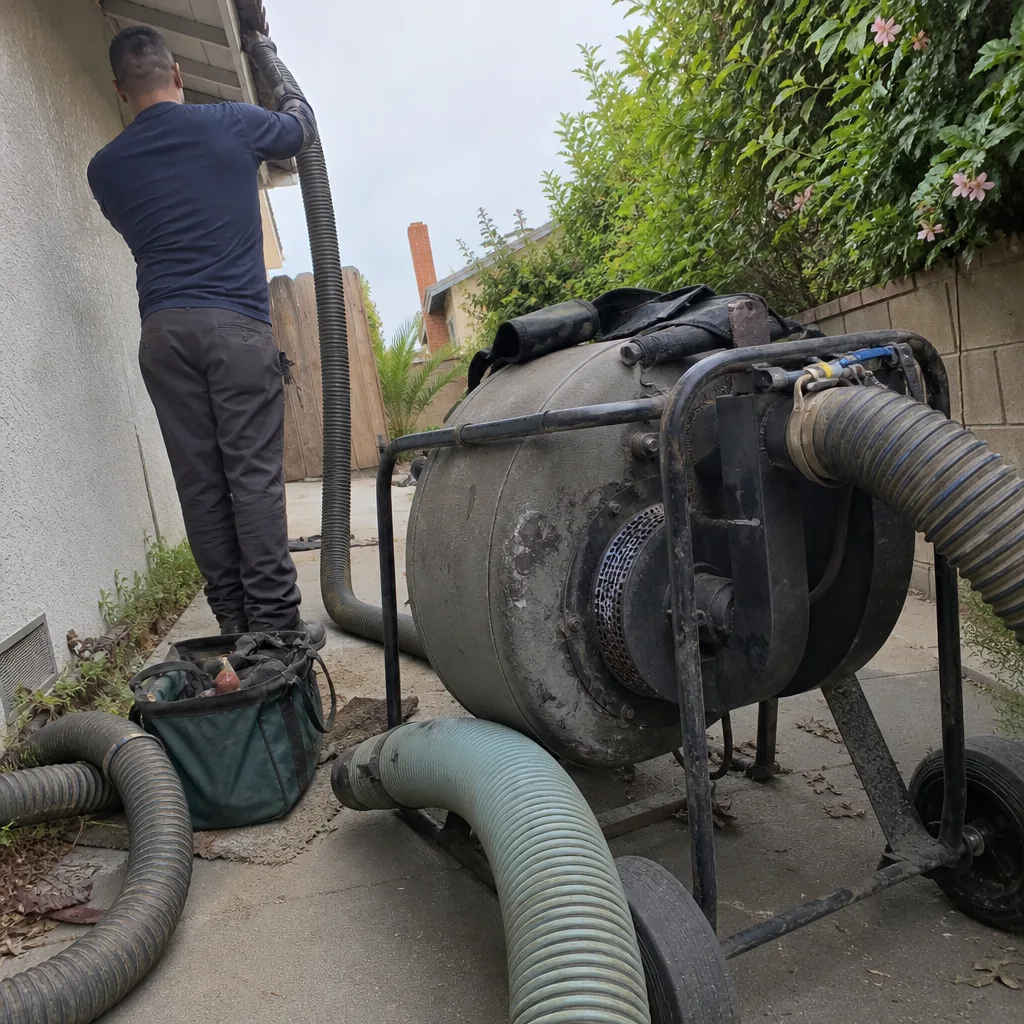 Before
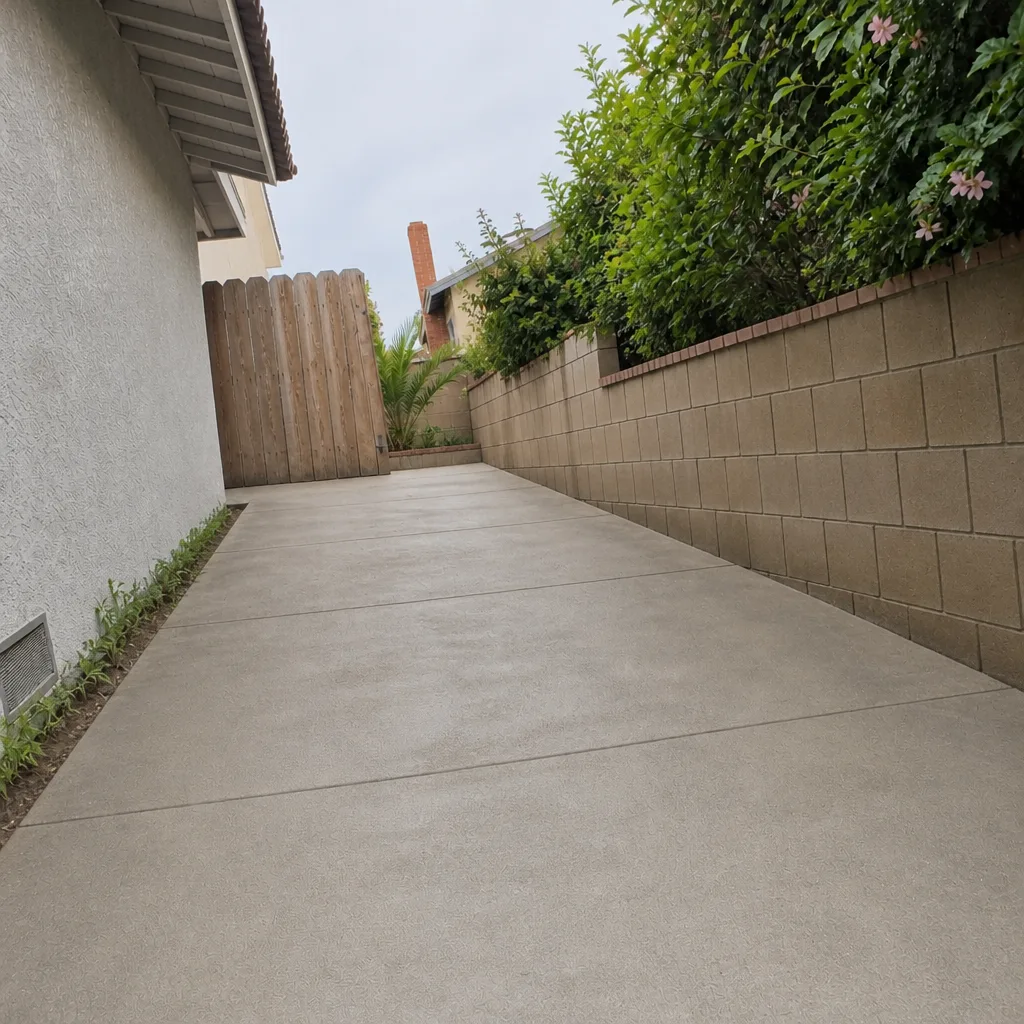 After
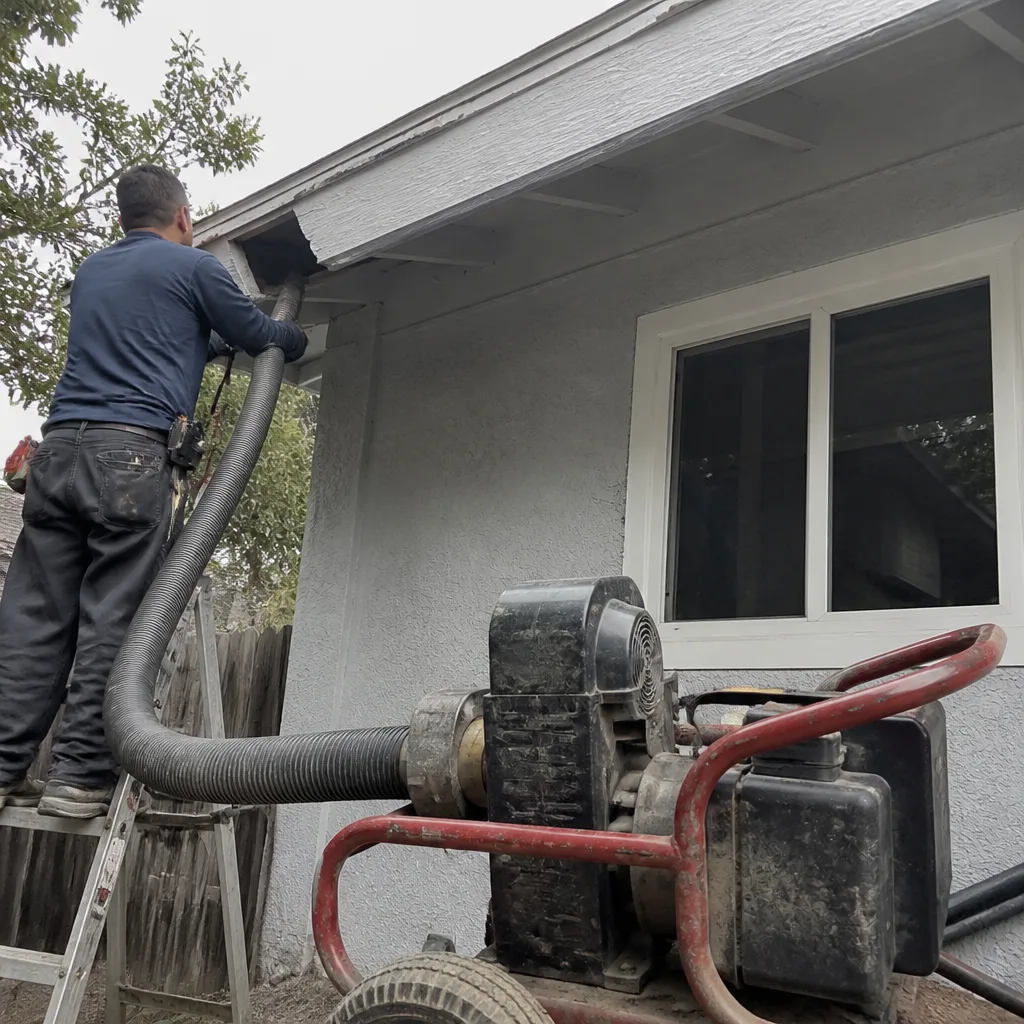 Before
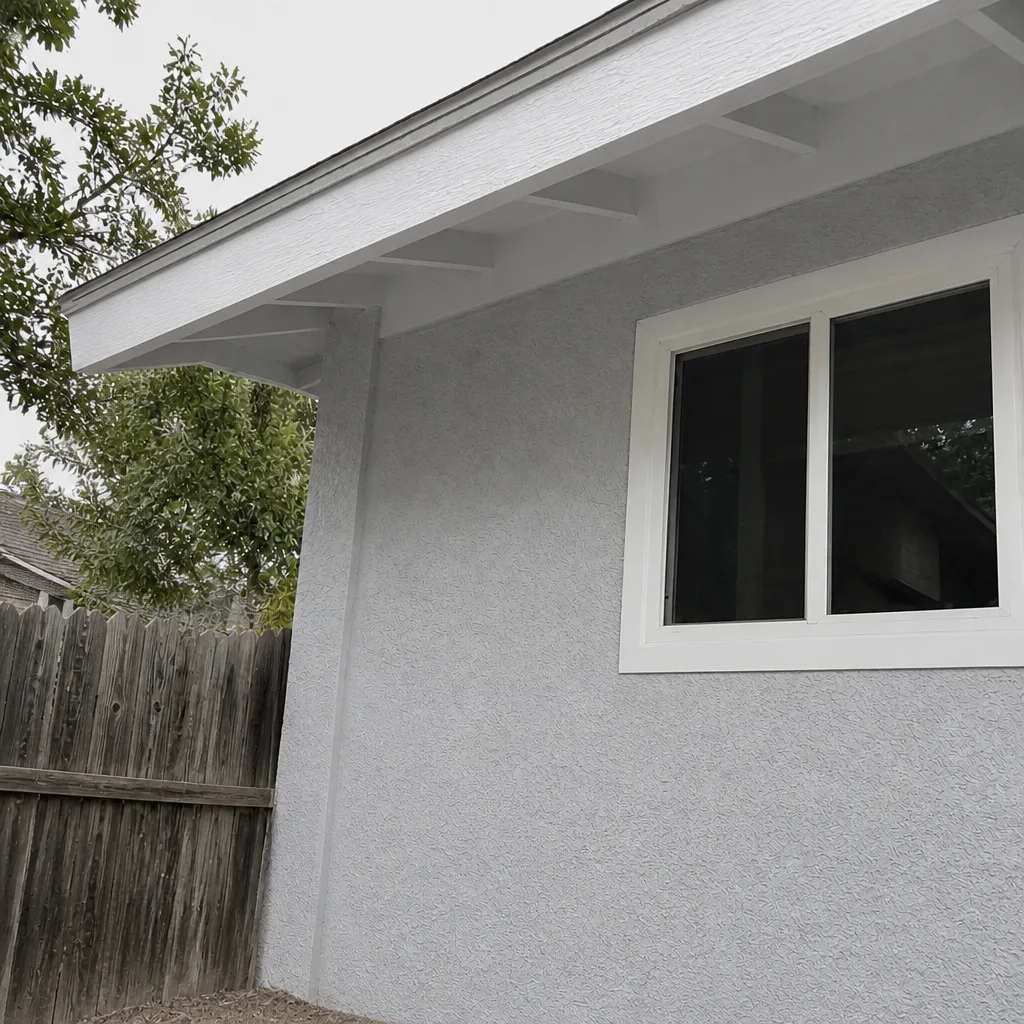 After
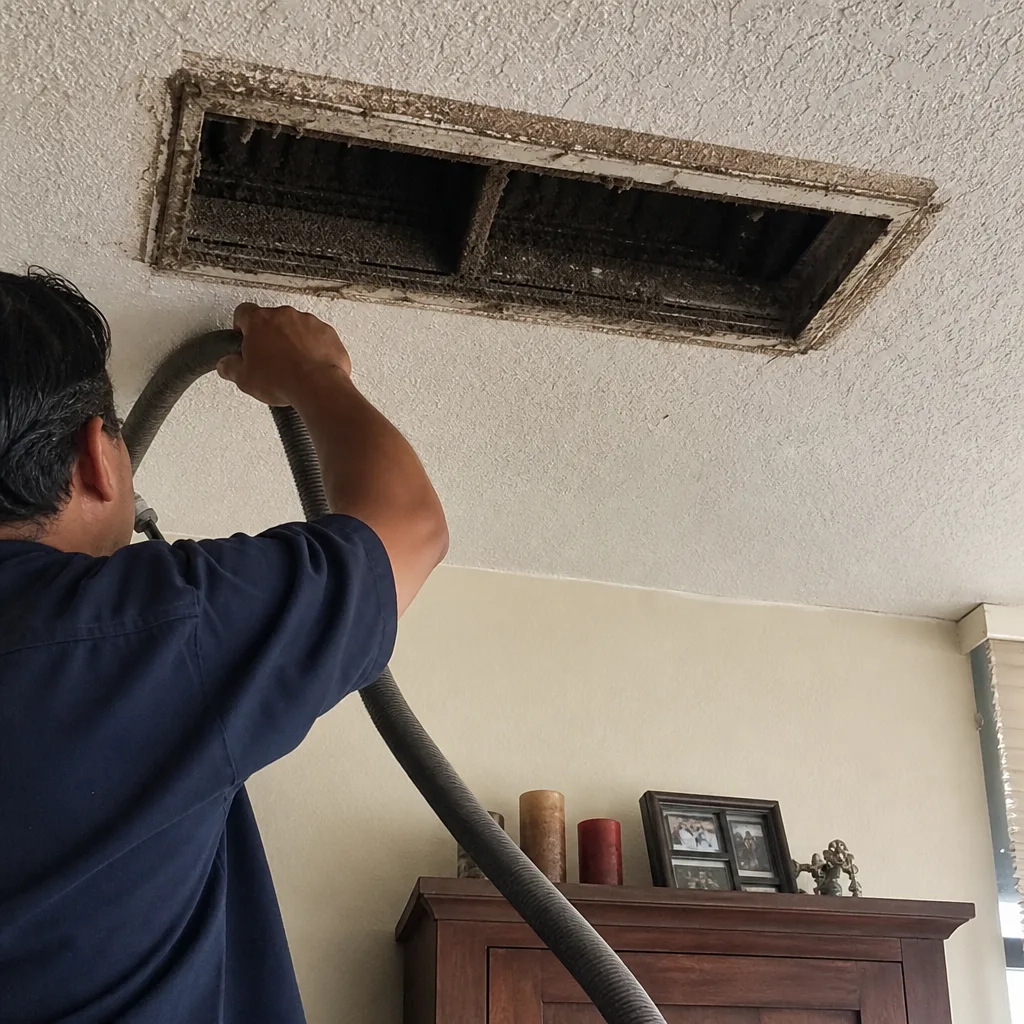 Before
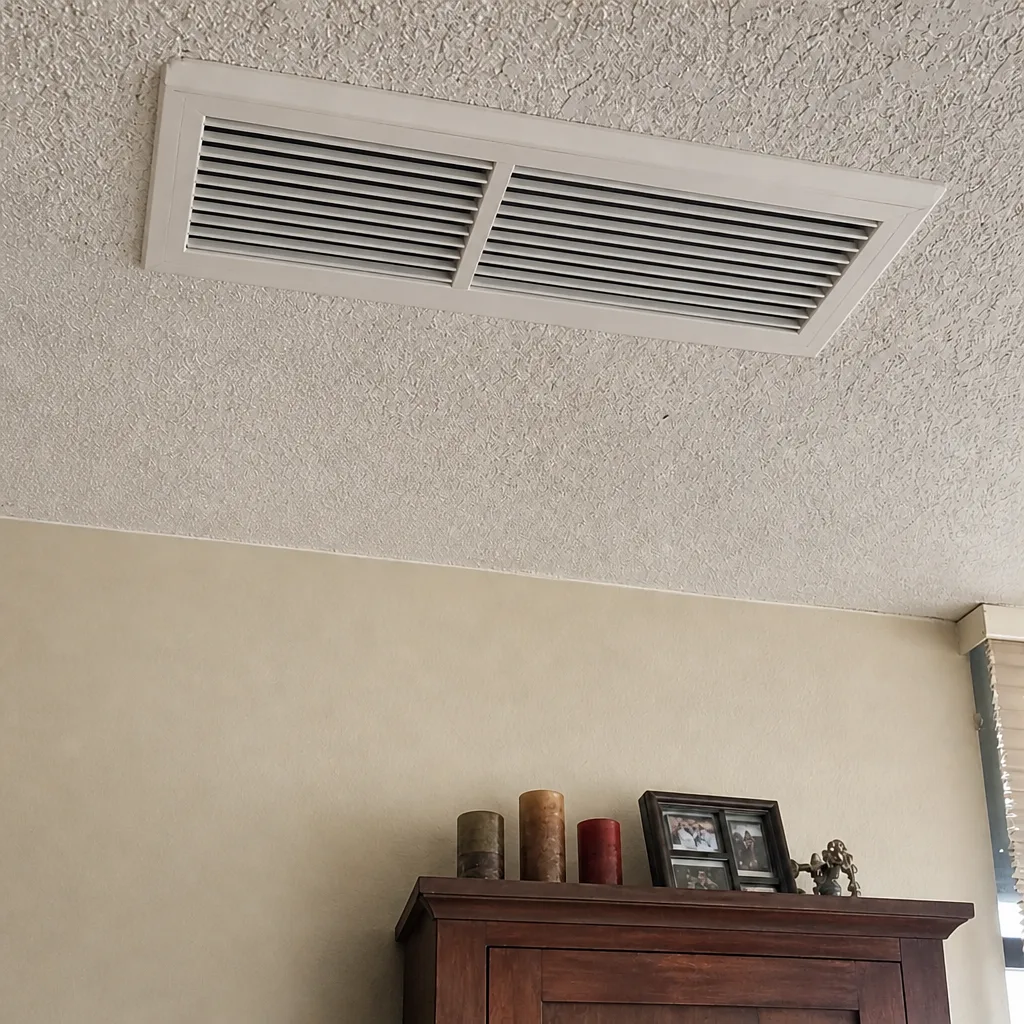 After
When to Call a Professional
Some signs are a call to our team, not a self-serve project. Call us when you see visible dust blowing from a register, when your filter loads noticeably faster than before, when a recent remodel or wildfire smoke event happened, or when you have no record of the last cleaning. Visible debris in the ducts, a musty smell from the supply registers, or uneven airflow between rooms are also worth a visit. If anyone in the house has asthma or allergies, don’t wait for the calendar to justify a visit. And if a duct is visibly kinked, disconnected, or leaking at a boot, that’s a repair and sealing job before the next cleaning.
Air Duct Cleaning East Anaheim offers free estimates in East Anaheim. Call (844) 834-1661. We answer 24/7. Fast dispatch from 7am to 7pm, Sunday through Friday.
Frequently Asked Questions
Every three to five years is the baseline for a standard East Anaheim home, but adjust it based on your home. Homes with multiple shedding pets, allergy sufferers, recent remodels or flex duct should be on a two-to-three-year cycle. Homes near the 91 corridor or any home after a major wildfire smoke event should be cleaned sooner. Call (844) 834-1661 for an exact recommendation – estimates are free.
No. The EPA does not recommend a fixed interval for routine cleaning and says no chemical biocides should be used in ductwork unless clearly needed. The commonly repeated “every three to five years” figure is a widely used industry working estimate, not an official rule. Treat it as a floor and adjust for your home’s conditions.
Look at three things: filter loading rate, visible dust at the registers, and any musty smell coming from supply vents. If the filter loads in under two months, or you can see dust on the register faces within a week of cleaning them, you’re due for a visit. If you’ve never had the ducts cleaned and the home is more than a few years old, book an inspection and get a baseline. Call (844) 834-1661 for an exact quote – estimates are free.
Duct cleaning covers the branch runs and trunk lines behind the registers. HVAC cleaning goes downstream into what duct cleaning cannot reach: the air handler, the blower wheel, the evaporator coil, and the drain pan. A thorough schedule covers both. Cleaning only the ducts leaves the dirtiest components of the system untouched. OurHVAC cleaning service is the other half of that visit.
Replace the filter within a few days of the smoke clearing, run the system normally (not with the fan set to continuous), and book an inspection two to four weeks afterward. A post-event inspection should cover the air handler, coil, filter cabinet and duct interiors, not just the visible registers. If a smoke residue odor lingers, an air sanitizing step on top of cleaning handles it. Call (844) 834-1661 for an inspection – estimates are free.
No. Household vacuums can’t generate the airflow or negative pressure needed to remove debris from a connected duct system, and running one into a register without control can push dust into the rest of the system. Focus on what you can do safely: vacuum registers and return grilles, change filters on schedule, and keep records. The interior work is a professional job with professional tools.
Before-and-after photos or system-camera video from inside the ductwork, plus a written summary of what was found and removed. Any contractor who won’t show you the inside of your own ducts before and after is asking you to trust an invoice. Ask for it upfront. OurAir Duct Cleaning East Anaheim visits include camera inspection and before-and-after images of your system.
Yes. Flex duct is corrugated, so it traps debris on the inner surface and generally needs a shorter interval. Sheet metal ductwork is smooth and easier to clean fully, so it holds a longer baseline. Duct board (rigid fiberglass) needs lighter-handed care and closer inspection. In East Anaheim, many homes mix sheet metal and flex in the same system, so a professional inspection determines which runs need attention first.
What does the “one flat price per system” model actually mean?
It means a single number agreed before any work begins, based on how many systems your home has, not how many vents. The technician quotes the whole system, then cleans it. That fixes the main bait-and-switch problem in this trade: per-vent pricing that quietly leaves branch runs out. Ask for the flat price in writing and confirm what the system count is before you commit. Call (844) 834-1661 for an exact flat-price quote – estimates are free.
Yes, and separately from the air ducts. Dryer vent cleaning is a fire-safety service. Lint collects in the vent from every load and reduces airflow, and a restricted vent is a well-known fire risk. Many homeowners clean the ducts faithfully and never touch the dryer vent. Both should be on the same life-maintenance calendar. Ourdryer vent cleaning service covers the full run.
They don’t change how often cleaning is needed, but they do change how complete each visit can be. Rotobrush and Nikro are built specifically for duct cleaning and reach branch runs and flex liner that a shop vacuum can’t. Equipment from Abatement Technologies gives us contamination control and source capture on the smoke and remediated-air jobs. Guardsman products on the finishing side mean the work ends with a protected, clean result rather than just a heavier dust load left in the vents. The schedule stays the same; the quality of each visit is what changes.
The Bottom Line
A duct cleaning schedule should be built around your home, not a calendar. Start with the three-to-five-year baseline, then adjust downward for pets, allergies, recent remodels, flex duct and Santa Ana wind seasons, and further after any major wildfire smoke event in Orange County. Between cleanings, replace filters on the schedule your home’s filter loading tells you, vacuum registers monthly, keep an eye on the coil, and note smoke and construction events. Keep the before-and-after photos, contaminant notes, and next-interval recommendation from every visit so the next cleaning starts with a baseline instead of a guess. Done this way, the schedule gets more accurate over time, not less. Our technicians have up to 12 years of experience, and this framework reflects what we’ve seen work. Call (844) 834-1661 for a free estimate. We answer 24/7. Fast dispatch from 7am to 7pm, Sunday through Friday.
Written by the team at Air Duct Cleaning East Anaheim.