
Last updated November 24, 2026
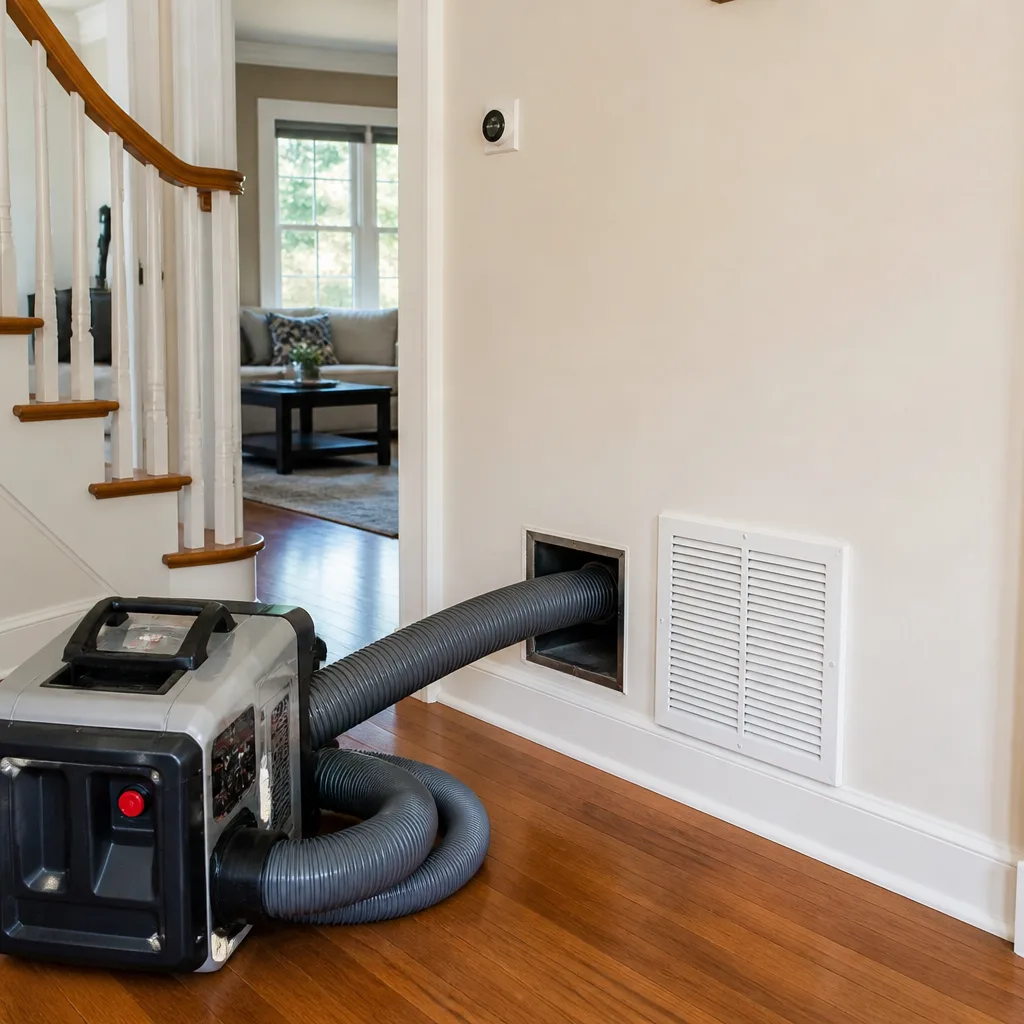 Whole-home duct cleaning
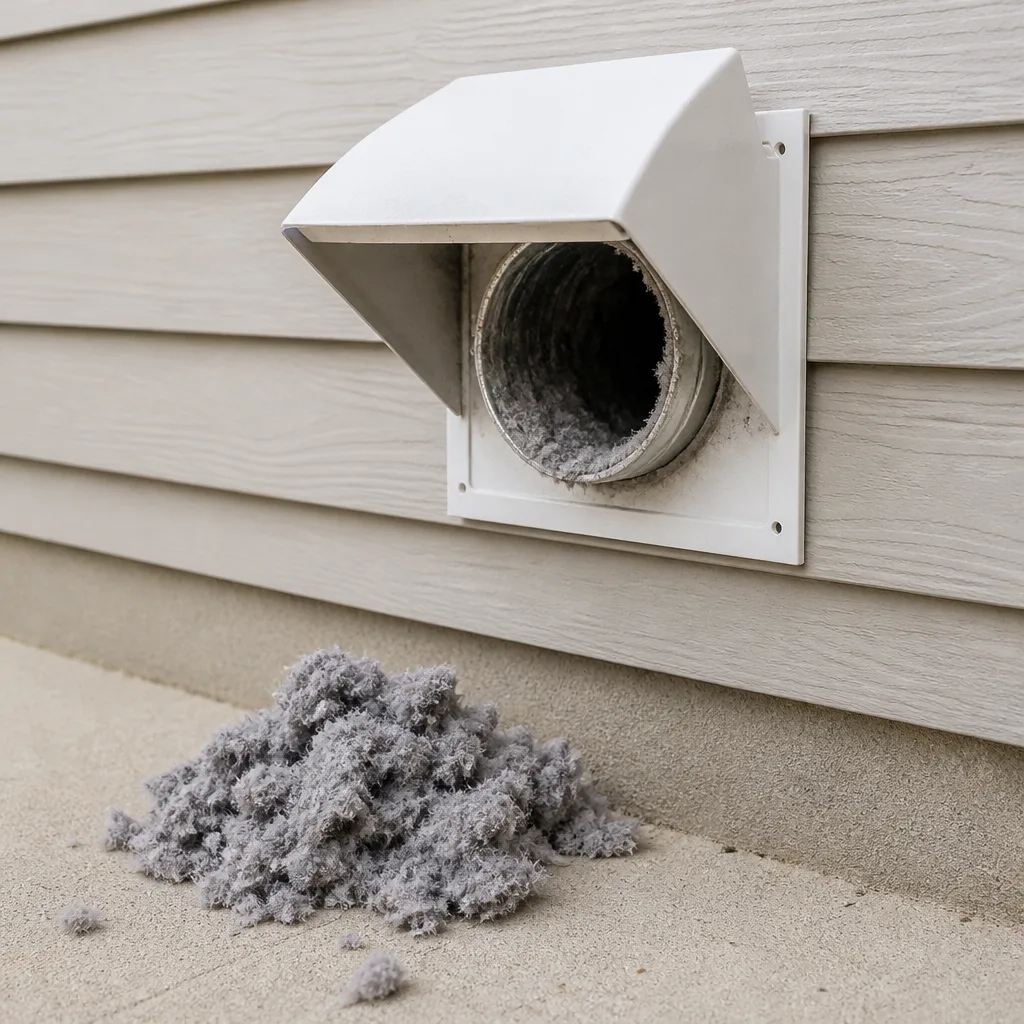 Dryer vent cleaning
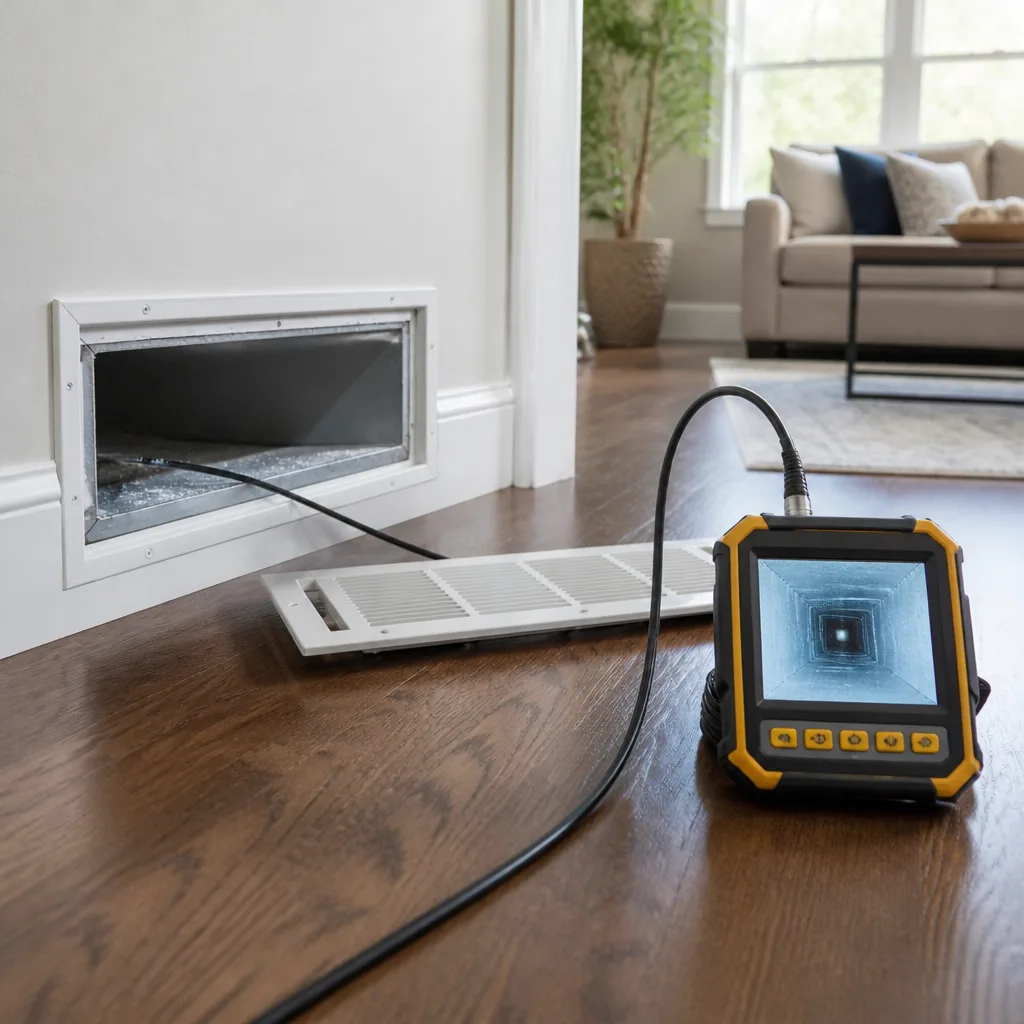 Camera inspection
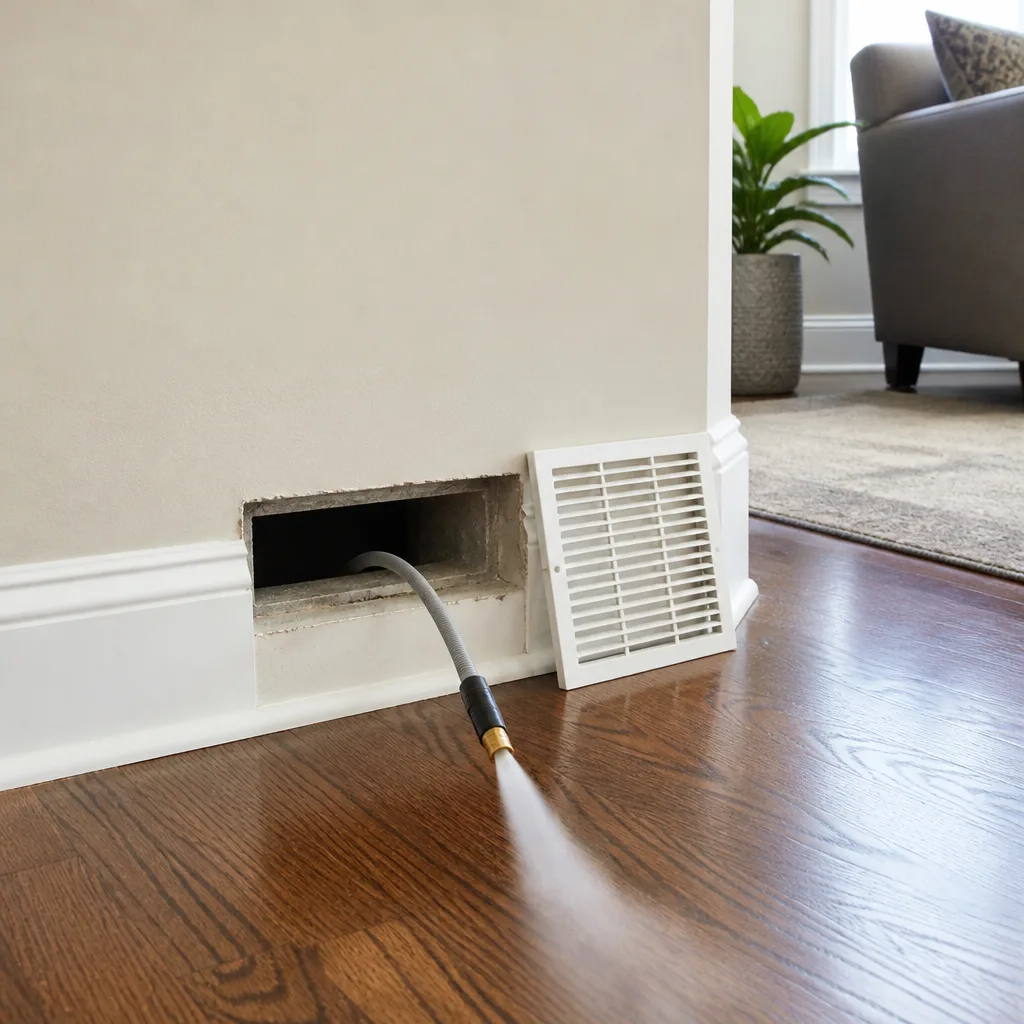 Sanitizing & deodorizing
Whole-system duct and dryer vent check with before-and-after photos - you see exactly what came out of your vents
That "$99 whole-house special" is a bait ad - the real number appears once they are in your hallway, or the "clean" is a shop-vac at the register. We photograph the inside of your ducts before and after instead.
Air Duct Cleaning Permits, Codes & Inspections in East Anaheim, CA: What You Need to Know
Most homeowners assume the only paperwork that matters for duct work is the invoice. Here’s the part that surprises people: the cleaning itself is rarely the issue. The permit question shows up the moment a cleaning visit turns into a repair, a sealed plenum, or a new access panel cut into the air handler. That’s when California’s mechanical code and Title 24 enter the picture, and that’s when an unpermitted job can sit quietly in your home for years until a buyer’s inspector finds it. This guide walks East Anaheim homeowners and property managers through what needs a permit, who can pull it, how inspections work, and how to protect yourself in writing before anyone touches your system.
Quick Answer
Standalone air duct cleaning in East Anaheim and the rest of California does not require a permit. Duct repair, duct replacement, plenum sealing that alters the system, and new access openings generally do fall under the California Mechanical Code and are permitted through the City of Anaheim Building Division. If duct sealing is part of a Title 24 compliance path, HERS verification testing may also be triggered.
Styles & brands we work with
- Whole-home duct cleaning
- Dryer vent cleaning
- Camera inspection
- Sanitizing & deodorizing
Table of Contents
- Does Air Duct Cleaning Need a Permit in California?
- Who Has Jurisdiction in East Anaheim?
- Title 24 and Duct Leakage: What It Means for Your Cleaning Visit
- HERS Verification Testing Explained
- Protecting Yourself Contractually: Scope-of-Work Language
- What an Inspection Actually Looks At
- What to Do If Previous Work Was Done Without Permits
- Selling a Home in East Anaheim With Duct Work on Record
Does Air Duct Cleaning Need a Permit in California?
No. Cleaning the interior surfaces of an existing duct system is maintenance, not construction, and California does not require a permit for maintenance. A technician who runs a rotary brush and negative-air machine through your supply and return runs, pulls the debris out, and puts the registers back is not altering the system in any way the code cares about. That distinction matters because it’s the line between a service visit and a construction scope.
The trouble starts when the visit includes work that changes the system. A few examples of what commonly crosses that line:
- Cutting a new access panel into a trunk line or the air handler cabinet
- Replacing a section of flex duct or a collapsed rigid run
- Rebuilding or resealing a plenum in a way that changes its configuration
- Adding, removing or relocating a register or return
- Changing the connection between the air handler and the duct system
Those are mechanical alterations, and in most California jurisdictions they need a mechanical permit pulled before the work starts. The City of Anaheim publishes its own permit requirements through the Building Division, and the specific trigger points are worth confirming with them directly for your address. What you should never accept is a contractor telling you that permits are never needed for duct work. That statement is a sign the scope hasn’t been thought through, and it shifts the risk onto you.
One practical note from our side of the trade: a thorough cleaning visit should begin with an inspection, before anything is disconnected or opened. We like homeowners to see what’s in their ducts before we start, and that inspection is also where the permit question gets answered honestly. If the system is intact and just dirty, you’re in cleaning territory. If a run is crushed, a plenum is leaking, or the access is inadequate, you’re in repair territory, and that’s a different conversation.
Who Has Jurisdiction in East Anaheim?
The City of Anaheim Building Division handles mechanical permits for properties within city limits, and that includes East Anaheim addresses. Anaheim operates its own building department rather than deferring to the county, so permit applications, plan checks and inspections all run through the city. If you’re in an unincorporated pocket nearby, the jurisdiction can differ, and it’s worth a phone call to confirm before assuming.
Who can pull the permit is a separate question, and it’s one homeowners get wrong often. In California, a mechanical permit is typically pulled by a licensed contractor holding the appropriate classification, or by the homeowner themselves as an owner-builder for work on their own residence. What you should watch for is a cleaning company that quietly performs repair work without a permit and without a license to do that repair. Cleaning is one trade scope; mechanical repair is another.
A few things to confirm before repair work begins:
- Which jurisdiction the property sits in, confirmed with the city rather than guessed
- Whether the specific work is a permit item or a maintenance item
- Who is pulling the permit, and whether that person holds the right license classification
- Whether the permit cost is included in the written estimate or billed separately
- Whether an inspection will be required before the system is closed back up
East Anaheim’s housing stock runs from older single-story tracts to newer construction, and the older homes are where we see the most improvised duct work. Decades of patches, taped joints and mismatched flex sections accumulate behind drywall, and a cleaning visit sometimes reveals that a previous owner’s fix was never permitted. That’s not a reason to panic. It’s a reason to know the rules before you add to the pile.
Title 24 and Duct Leakage: What It Means for Your Cleaning Visit
California’s Title 24 energy standards set duct leakage limits for HVAC systems, and those limits apply when ducts are extended, altered or replaced. A straight cleaning job doesn’t trigger Title 24 because nothing about the system’s performance characteristics is changing. A duct sealing or replacement job can trigger it, because sealing changes how the system performs and the code wants that performance measured and documented.
What this means in practice is that “we sealed your ducts during the cleaning” is not a complete sentence. The complete version includes whether the sealing was part of a permitted alteration, whether Title 24 duct leakage limits apply to that scope, and whether testing is required to demonstrate compliance.
- Cleaning only: no Title 24 duct leakage compliance path, no permit, no testing
- Sealing as routine maintenance on an otherwise untouched system: ask the contractor to state in writing why no compliance path applies
- Sealing as part of an alteration, replacement or system change: Title 24 duct leakage limits likely apply, and HERS verification testing is commonly required
In our experience, this is the single most overlooked piece of the duct work conversation in East Anaheim. Homeowners hear “we sealed the leaks” and assume the problem is solved. Sealing is genuinely valuable work, and we offer duct repair and sealing as a core service precisely because leaky ducts undo the benefit of a good cleaning. But the compliance question belongs in the estimate, not in a conversation after the fact.
One climate note that affects how much this matters here: East Anaheim’s cooling season is long, and the system runs hard for months. Duct leakage in a house that runs its air handler that much wastes real energy, which is exactly the reason Title 24 addresses it in the first place. If your ducts are leaking and you’re doing a cleaning, fixing the leaks is worth doing, and doing it with the paperwork in order is worth doing right.
HERS Verification Testing Explained
HERS stands for Home Energy Rating System, and HERS verification testing is a third-party inspection performed by a certified rater, not by the contractor doing the work. When Title 24 requires duct leakage verification on an alteration, a HERS rater tests the system and files the result. The contractor can’t self-certify this step, which is exactly the point: it’s an independent check.
Here’s how the sequence usually runs on a permitted duct alteration:
- The permit is pulled for the mechanical scope before work begins
- The duct work is performed to the permitted scope
- The HERS rater tests duct leakage, typically using a duct pressurization method
- The city inspector reviews the permitted work
- Documentation is filed, and the permit is closed out
Homeowners sometimes push back on this because it adds a step and a cost. The counterargument is straightforward: the documentation is the whole value. A closed permit and a HERS report travel with the house. An undocumented sealing job travels with nothing except a memory, and memories don’t survive a sale.
If you’re replacing a significant portion of your duct system, this is worth budgeting for at the outset rather than discovering it mid-job. Ask any contractor quoting duct replacement in East Anaheim whether HERS verification is part of their scope, and get the answer in writing. A contractor who does permitted duct work will answer that question without hesitation. One who doesn’t will change the subject.
Protecting Yourself Contractually: Scope-of-Work Language
The single best protection against permit trouble is a written scope of work that separates cleaning from modification in plain language. Not a line item that says “duct cleaning and sealing” as one bundle, but a document that tells you what is being cleaned, what is being altered, and what is being left exactly as it is.
Ask for these specifics before signing:
- A statement of what’s being cleaned, by component: supply runs, return runs, registers, grilles, plenum, air handler
- A separate statement of any repair, sealing, replacement or access work, listed individually
- A clear note on which items are maintenance and which are alterations requiring a mechanical permit
- Who is pulling any required permit, and whether that cost appears in the estimate
- Whether HERS verification testing applies to the scope, and who arranges it
- The flat price for the system as scoped, agreed before work starts
- Before-and-after photos of your own ducts, so you can verify the work actually happened
That last item is not a formality. Duct work happens out of sight, and the difference between a thorough cleaning and a quick pass with a vacuum is invisible from the living room. Photos of your own system, taken during the job, are the only real proof. We document every visit for this reason, and we use equipment built for duct work specifically, including Rotobrush and Nikro systems, rather than shop vacuums with a long hose. Abatement Technologies equipment shows up in our lineup for projects that need contamination control beyond a routine cleaning.
One more contractual detail worth insisting on: a flat price per system rather than a per-vent price that grows as the technician counts registers. Per-vent pricing is the mechanism behind most of the bait-and-switch complaints in this trade, and it disappears when the scope is defined up front.
What an Inspection Actually Looks At
A city mechanical inspection is not a duct cleaning quality check. It’s a code compliance check on the permitted scope, and knowing what inspectors look for helps you understand why the documentation matters more than the visit itself.
Inspectors generally review:
- That the work matches the permitted scope, not more and not less
- Duct connections, supports and sealing at joints and plenums
- Access panels and whether they’re properly constructed and sized
- Clearance and connection at the air handler
- That any required HERS documentation is on file
What inspectors do not do is grade how clean the duct interiors are. That’s the contractor’s job and your judgment call, informed by photos and by the equipment used. This separation is useful to understand: a passed inspection tells you the repair was done legally, not that the cleaning was done well. You need both, and they come from different sources.
Access is the piece homeowners underestimate. If a system has no adequate access panels, an inspector can’t verify the work, and a contractor can’t clean it properly either. Cutting access is sometimes the right call, and when it is, it’s a modification that belongs in the permit conversation. We’d rather flag that during the initial inspection than after the equipment is running.
For East Anaheim properties with older construction, access is a recurring theme. Systems installed decades ago weren’t always built with service in mind, and adding access panels is one of the more common alterations we see come up alongside cleaning work. It’s a small cut, but it’s still a change to the system, and it deserves to be treated that way.
What to Do If Previous Work Was Done Without Permits
Finding out that duct work in your home was done without a permit is common, and it’s rarely a disaster. What matters is how you handle it, and the right answer depends on where you are in the process of owning or selling the property.
Start by establishing what was actually done. An inspection of the system can tell you whether the work is sound, whether it’s visible, and whether it’s likely to be flagged. From there, your options generally fall into a few paths:
- Leave it and disclose it. If the work is sound and doesn’t affect safety or energy compliance, you may choose to leave it as is and disclose the unpermitted work in a sale. Many buyers accept this, particularly for minor duct work.
- Permit it retroactively. Some jurisdictions allow a permit to be pulled after the fact, with an inspection to verify the work. Anaheim’s Building Division can tell you whether that path applies to your situation.
- Redo the work under permit. If the original work is poor or unverifiable, redoing it under permit is often cleaner than trying to certify something you can’t inspect.
- Remove and restore. Rarely necessary for duct work, but an option if the alteration is noncompliant and unwanted.
Disclosure is the common thread. California requires sellers to disclose known material defects, and unpermitted work that affects the system is the kind of thing a buyer’s inspector will find anyway. Getting ahead of it is almost always cheaper than being asked about it during a transaction.
If you’re not sure what’s been done to your ducts, a thorough cleaning visit with an inspection first is a reasonable way to find out. Our technicians have up to 12 years of experience reading systems, and a lot of it comes down to recognizing work that was never meant to pass an inspection. Learn more about air duct cleaning if you want to start with the inspection step.
Selling a Home in East Anaheim With Duct Work on Record
If you’re preparing a home for sale in East Anaheim, duct work records matter more than most sellers expect. Buyers in this market are informed, inspections are thorough, and the permit history is available to anyone who looks it up through the city. A clean record is a quiet asset; a gap in the record is a negotiating point.
The pre-listing checklist is short:
- Pull the permit history for the address from the City of Anaheim and see what’s on file
- Compare the history against any known duct, HVAC or air handler work
- Have the system inspected if there are gaps or unknowns
- Address anything unresolved before the listing goes live, or disclose it clearly
- Keep documentation for any work done during the listing period
Cleaning work performed before a sale is worth documenting too, even though it needs no permit. Receipts and before-and-after photos of your own ducts demonstrate that the system was maintained, which is a small point in your favor and costs nothing to keep.
East Anaheim’s climate adds a practical argument here as well. Long cooling seasons mean duct systems work hard, and buyers (and their inspectors) tend to look more closely at HVAC components in homes where the system runs constantly. Having the story straight before an inspector starts asking questions is the easier path.
Common Mistakes to Avoid
- Assuming all duct work is permit-free. Cleaning isn’t permitted; repair and alteration often are. Treating them as the same thing is the mistake that surfaces at resale.
- Accepting “permits are never needed for ducts” at face value. That answer usually means the contractor hasn’t separated cleaning from modification, and it leaves you holding the risk.
- Letting sealing work happen without asking about Title 24. Sealing can trigger duct leakage compliance and HERS verification. Ask before the work starts, not after.
- Signing a scope that bundles cleaning and repair into one line. A bundled scope makes it impossible to tell later what required a permit and what didn’t.
- Skipping the inspection step. Cleaning without an inspection first means nobody knows whether the system needs repair until the equipment is already running.
- Not pulling the permit history before listing an East Anaheim home. The record is available to buyers. Better to see it first.
- Accepting per-vent pricing instead of a flat price per system. It obscures the scope and makes cost unpredictable. A flat price agreed before work starts is the standard worth holding to.
See the difference
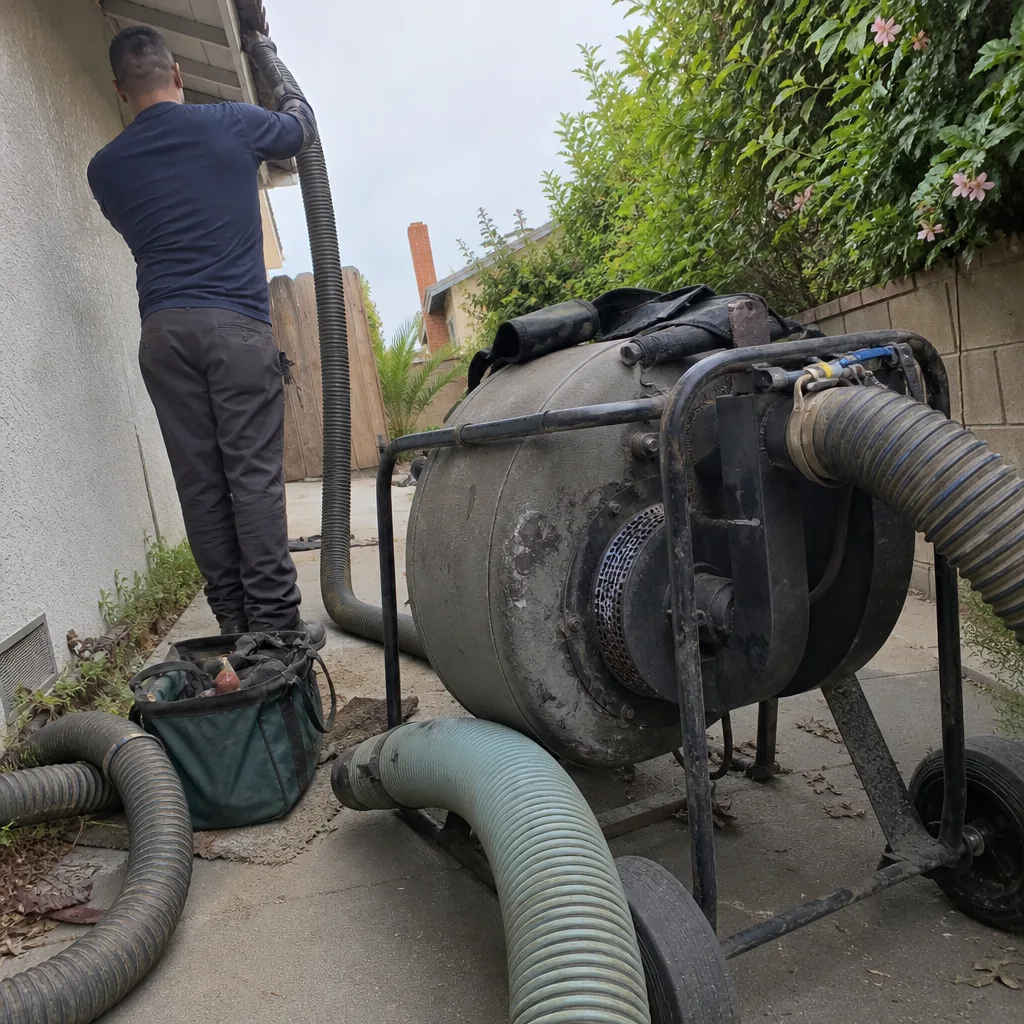 Before
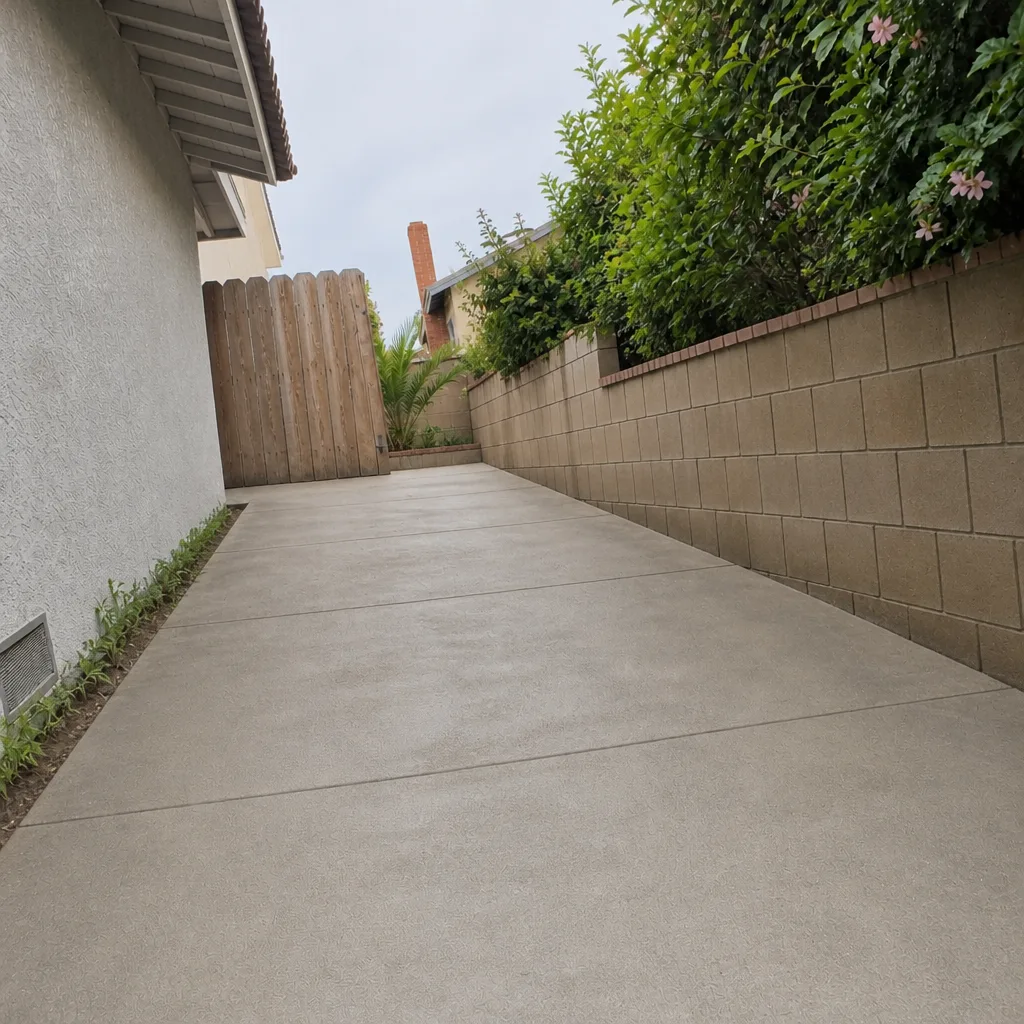 After
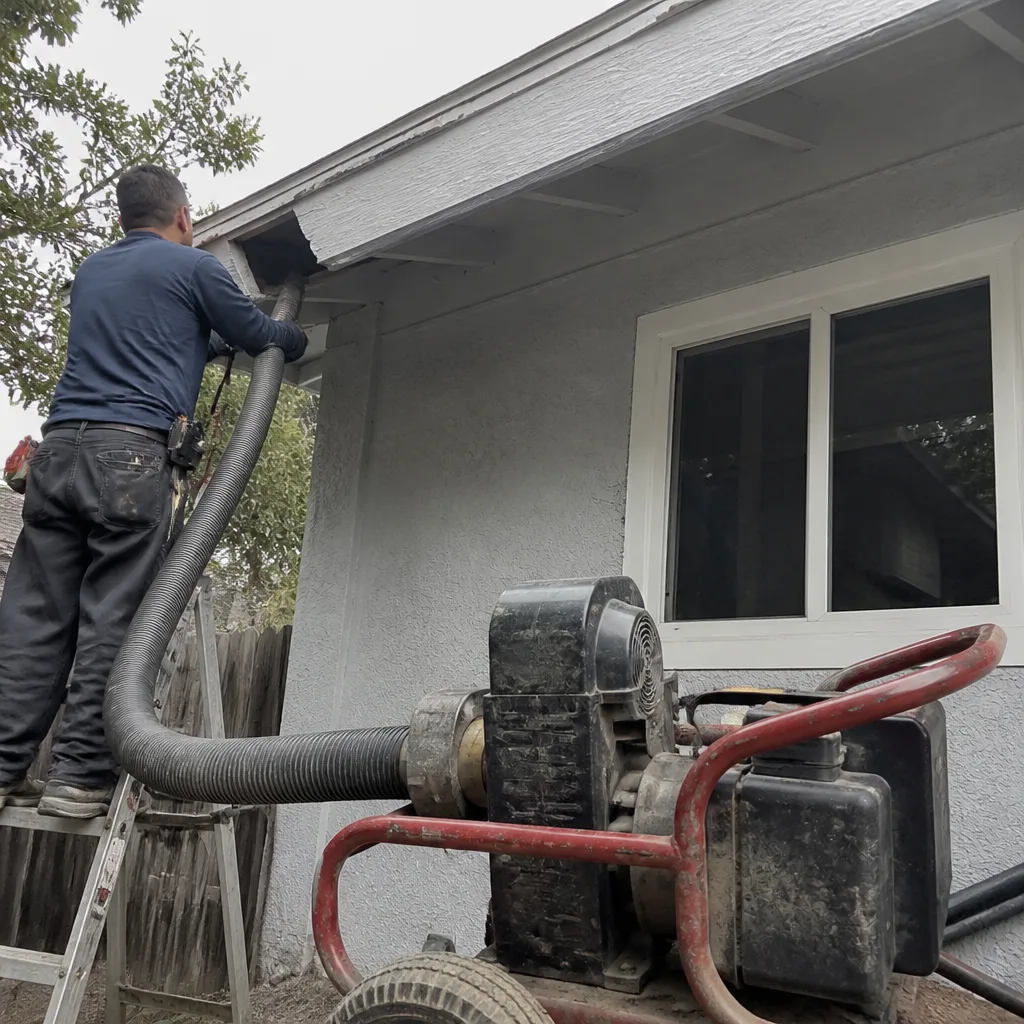 Before
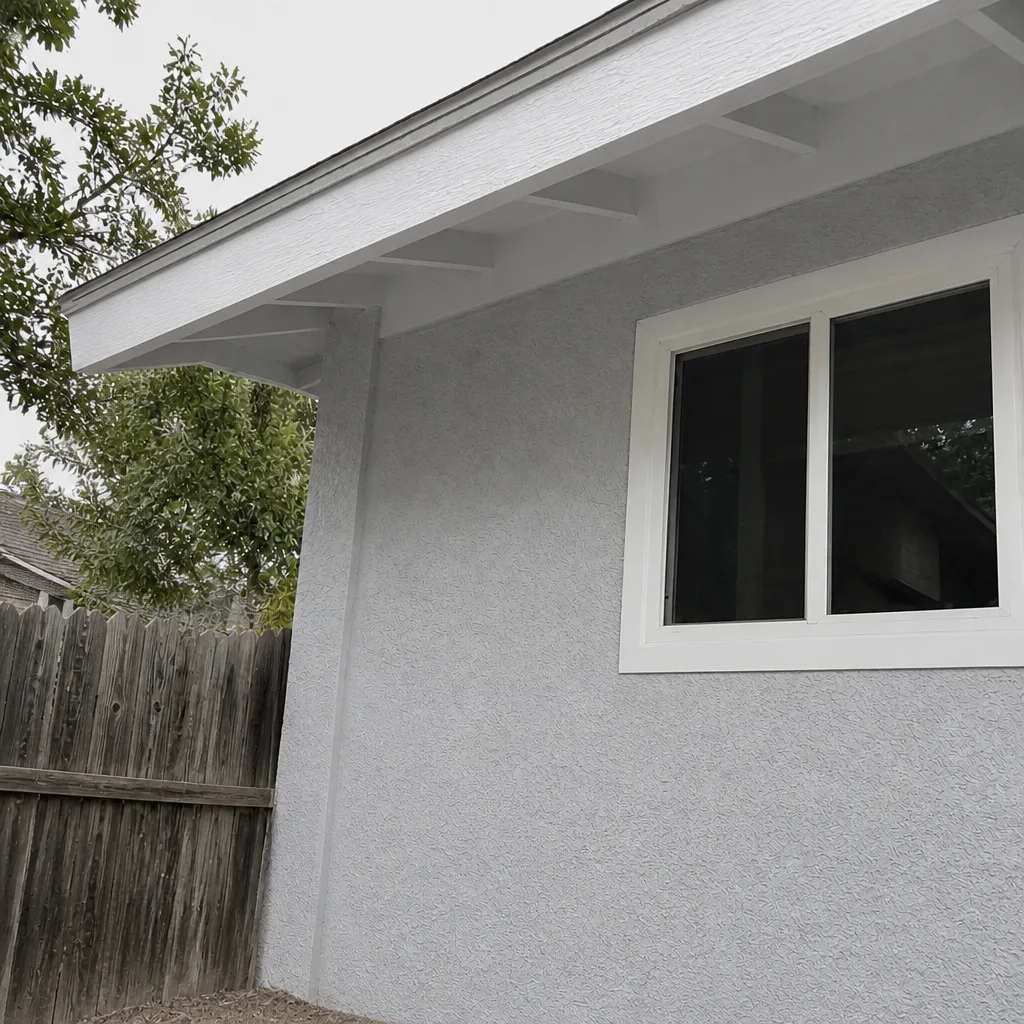 After
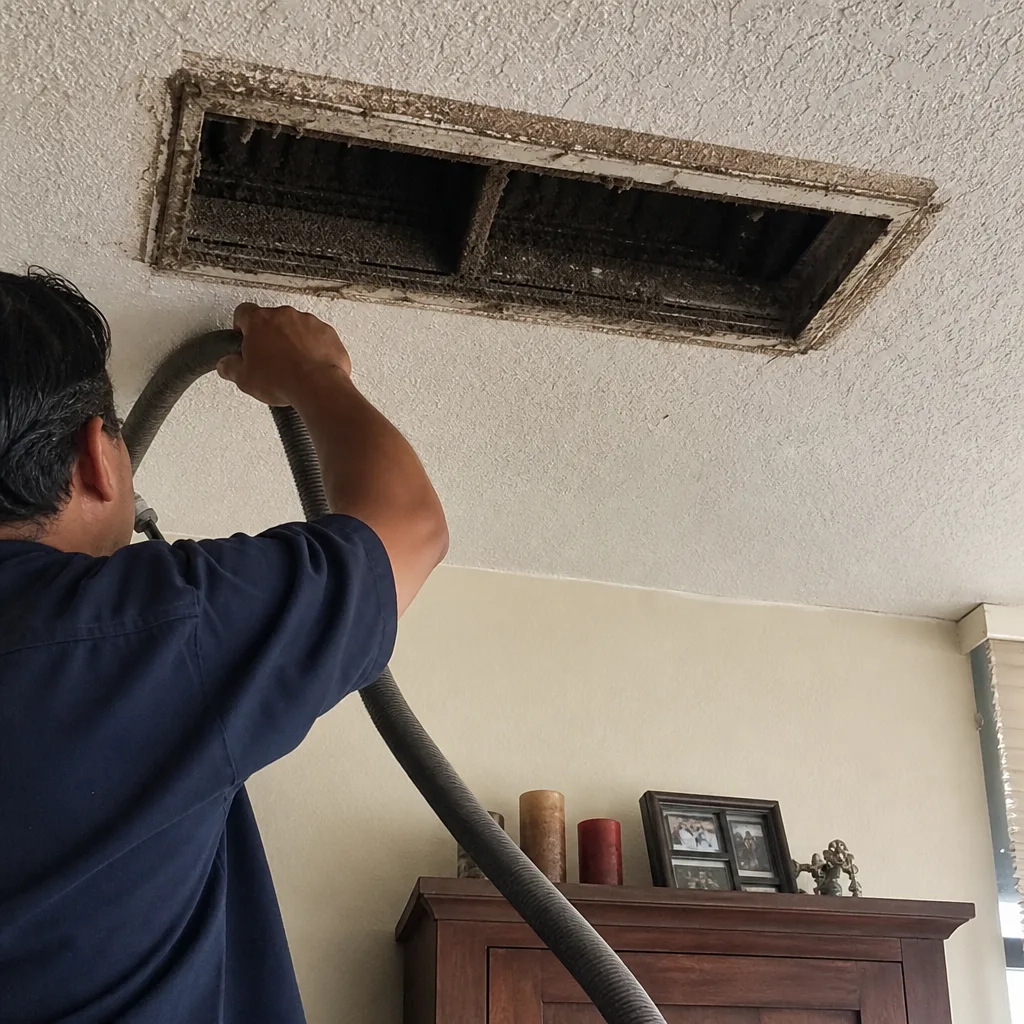 Before
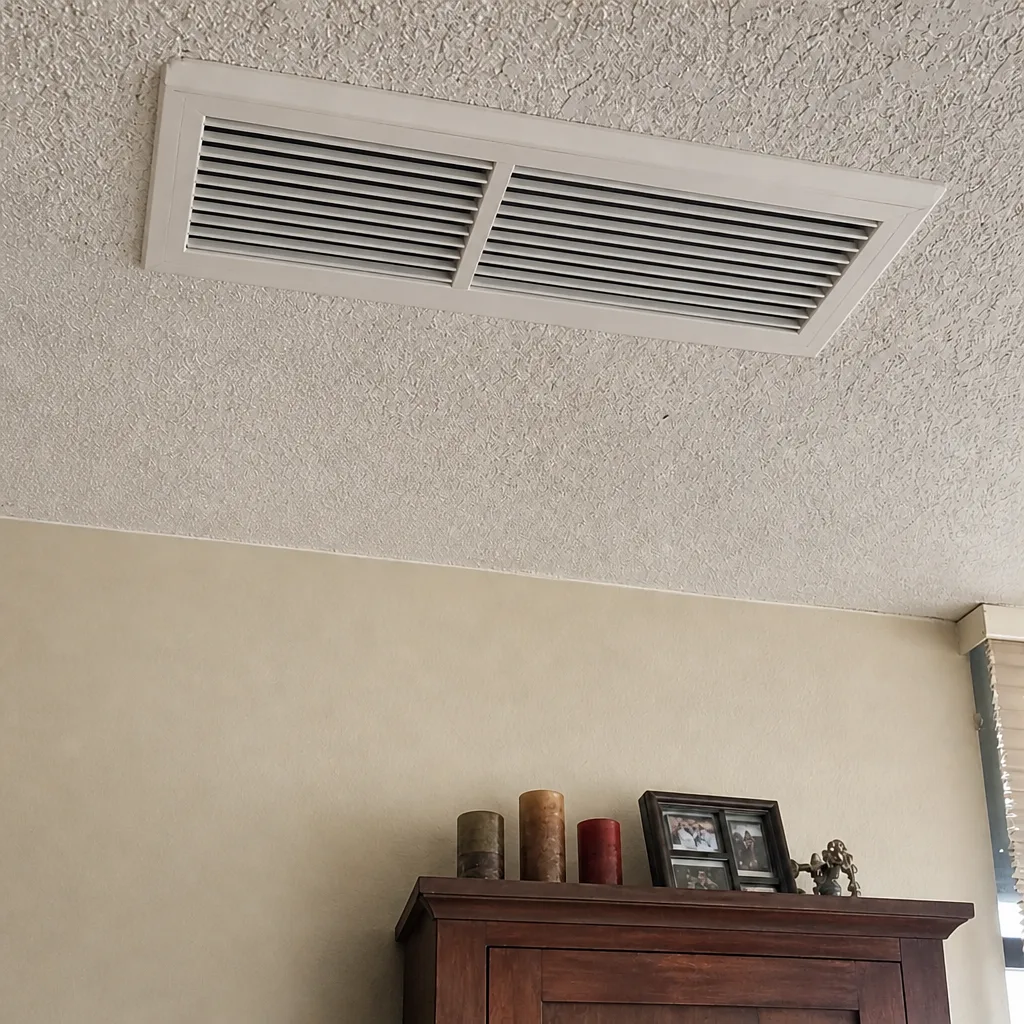 After
When to Call a Professional
Some of this you can check yourself: permit history is public, and a visual look at accessible duct runs tells you a fair amount. What you shouldn’t do yourself is open the air handler, cut into a trunk line, or attempt to reseal a plenum. Those are the areas where a mechanical alteration becomes a permitted scope, and where doing it wrong creates the exact problem this guide is about.
Call a professional when you’re not sure whether the work you need is cleaning or repair, when you’re buying or selling a home in East Anaheim with gaps in the duct record, when a contractor has quoted sealing without mentioning Title 24, or when an inspection reveals duct damage you can’t evaluate. Air Duct Cleaning East Anaheim offers free estimates in East Anaheim. Call (844) 834-1661. We answer 24/7. Fast dispatch from 7am to 7pm, Sunday through Friday.
The local pro connected through us is licensed and insured as their state requires, and the estimate is free with the price set per job by the written estimate. We also handle dryer vent cleaning and HVAC cleaning, since the same visit often makes sense for the whole air system.
Frequently Asked Questions
No. Cleaning the interior of existing ducts is maintenance and doesn’t require a permit from the City of Anaheim Building Division. Repair, replacement or alteration work that accompanies a cleaning generally does require a mechanical permit, so the answer depends on the scope rather than the service name.
Only if they hold the appropriate contractor license classification to perform that repair work. Cleaning and mechanical repair are different scopes. Ask who is pulling the permit and confirm the license classification before work starts, and get it in the written scope.
HERS verification testing is an independent third-party measurement of duct leakage, performed by a certified rater and required under Title 24 for certain duct alterations. You’ll need it if your scope includes duct sealing or replacement that triggers the compliance path. A straight cleaning doesn’t trigger it.
Pricing depends on the system size and the scope of the sealing, and permit fees from the city are a separate line. Every job is priced per system by a written estimate, so ask for the permit cost to be itemized clearly rather than bundled into the total. Call (844) 834-1661 for an exact quote. Estimates are free.
Establish what was actually done, then choose between disclosing it as is, permitting it retroactively if the city allows, or redoing the work under permit. Disclosure is the constant in every path, and getting ahead of it before a sale is easier than answering questions during one.
No. Title 24 duct leakage limits apply to alterations, extensions and replacements, not to routine cleaning. Cleaning doesn’t change the system’s performance characteristics, which is why it falls outside the compliance path. If sealing is added to the visit, the Title 24 question returns.
The Bottom Line
Cleaning your ducts in East Anaheim doesn’t require a permit. Repairing, sealing or altering them often does, and that’s the distinction most homeowners never hear because it doesn’t come up until something goes wrong. Get a written scope that separates cleaning from modification, ask who’s pulling any permit and whether HERS verification applies, and pull your permit history before you sell. A thorough cleaning done with purpose-built equipment and documented with before-and-after photos of your own ducts is worth having. The paperwork that goes with any repair work is worth having too, and it’s much easier to arrange before the job than after.
Air Duct Cleaning East Anaheim works with Rotobrush and Nikro equipment and offers cleaning, sealing, HVAC work and sanitizing from one contractor, so the scope conversation stays in one place. Ready to start? See the full range of what we do at Air Duct Cleaning East Anaheim, or call (844) 834-1661 for a free estimate.
Written by the team at Air Duct Cleaning East Anaheim.