
Last updated November 24, 2026
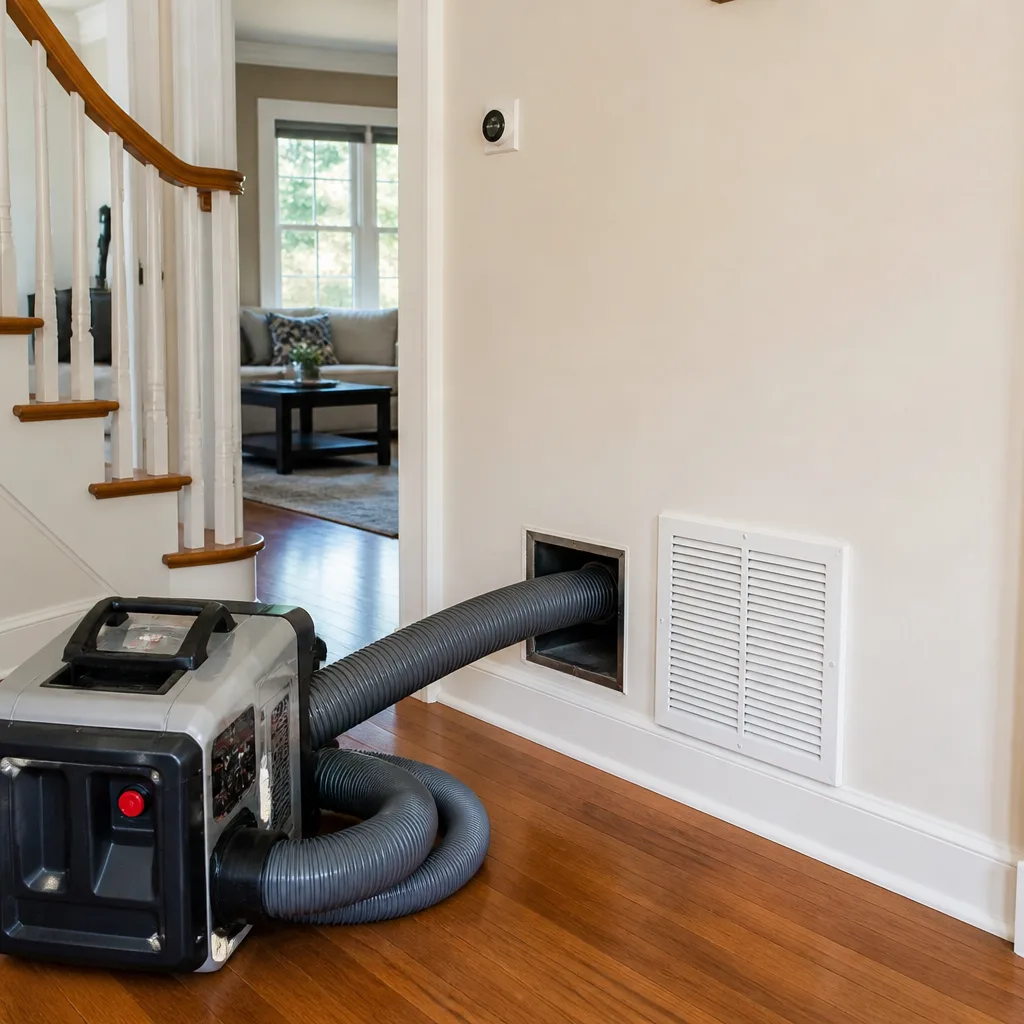 Whole-home duct cleaning
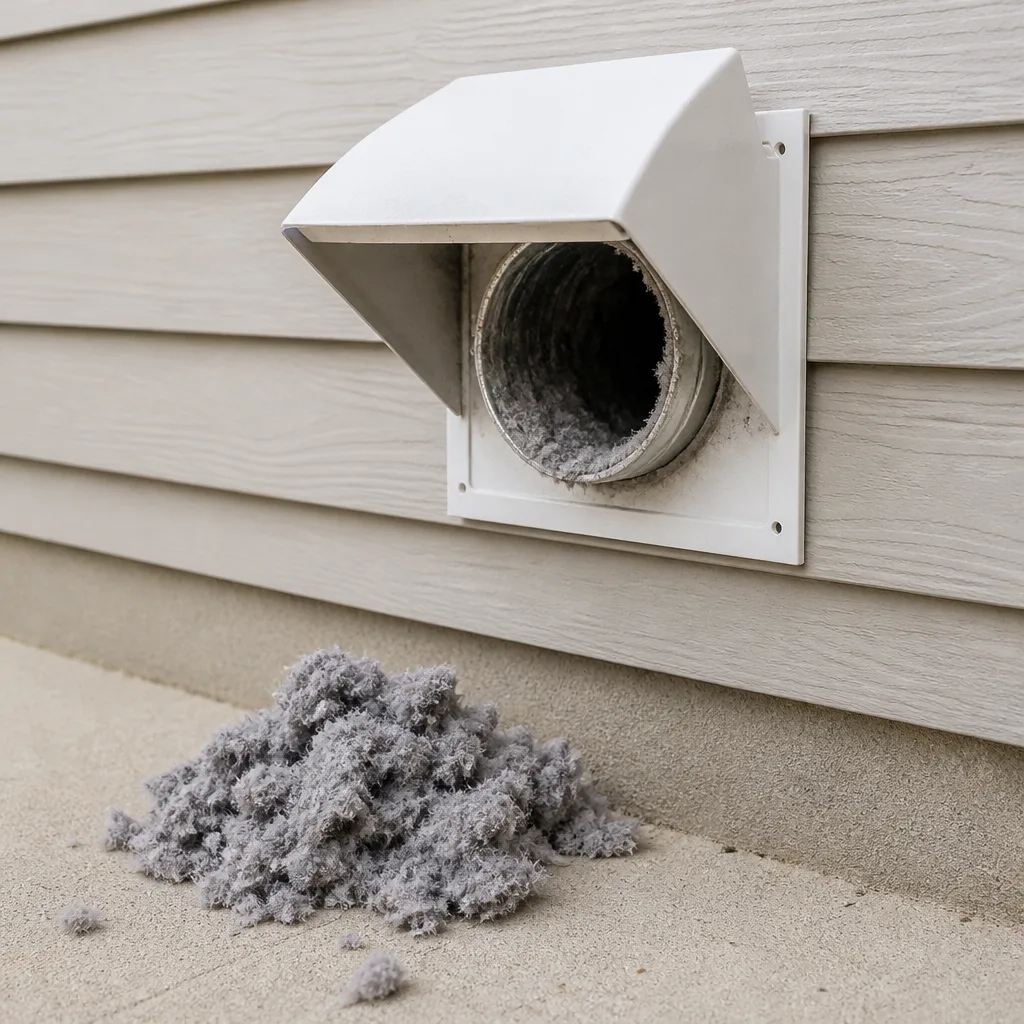 Dryer vent cleaning
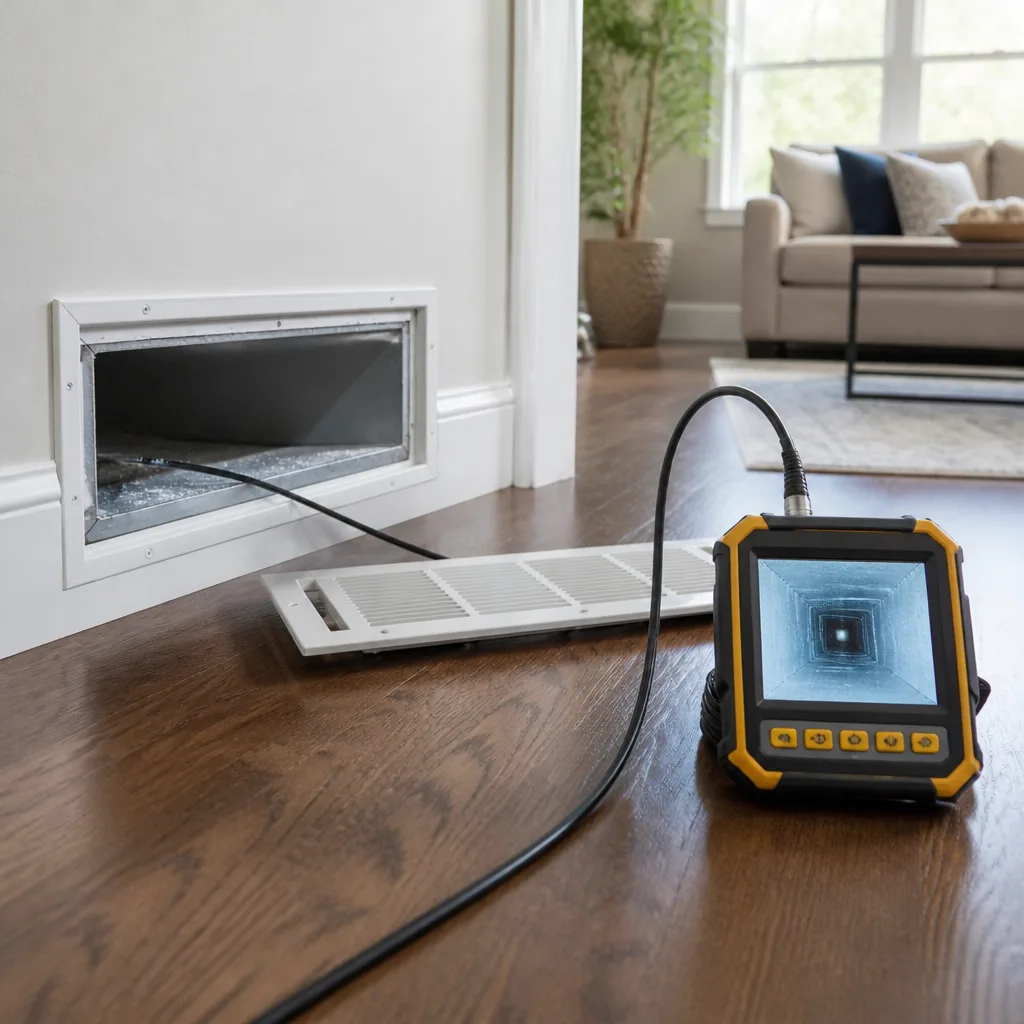 Camera inspection
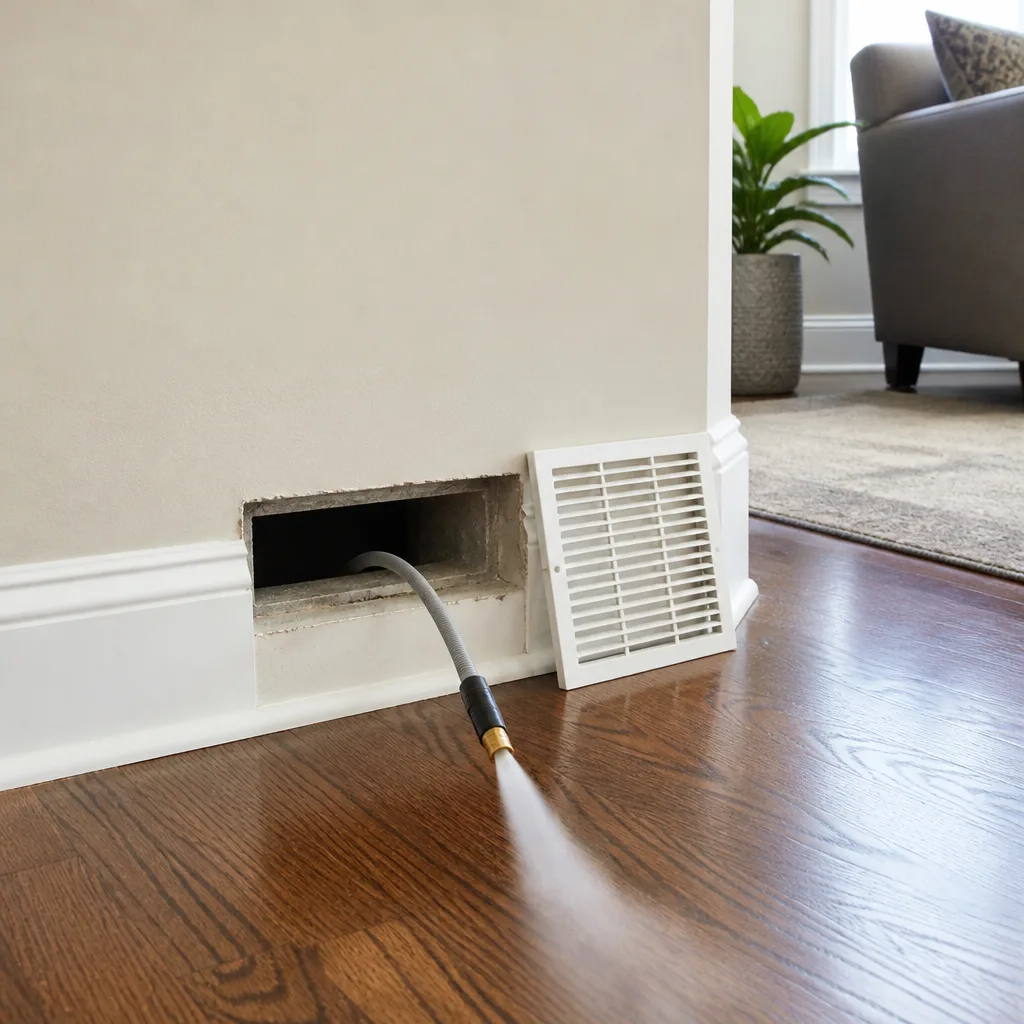 Sanitizing & deodorizing
Whole-system duct and dryer vent check with before-and-after photos - you see exactly what came out of your vents
That "$99 whole-house special" is a bait ad - the real number appears once they are in your hallway, or the "clean" is a shop-vac at the register. We photograph the inside of your ducts before and after instead.
Seasonal Air Duct Cleaning Care for East Anaheim: Year-Round Homeowner’s Guide
Most homeowners think of duct cleaning as an annual chore, something to pencil in and forget. In East Anaheim, that thinking misses the actual pattern. Our climate doesn’t hand you four equal seasons. It gives you a dry wind season from October through December, a wildfire smoke window that can open without warning, and a cooling load that runs hard from late spring into fall. Each one stresses your duct system in a different way, and each one asks for a different response. This guide walks through all three, with a month-by-month calendar you can actually keep up with.
Quick Answer
In East Anaheim, ducts collect the most particulate during the October to December Santa Ana wind season, so that’s the single most important window for a professional cleaning. Plan a second inspection before summer cooling starts, and treat wildfire smoke days as a separate problem that needs temporary filtration and, afterward, a full duct and HVAC cleaning. A quarterly 15-minute check is enough to stay ahead of all three stress periods.
Styles & brands we work with
- Whole-home duct cleaning
- Dryer vent cleaning
- Camera inspection
- Sanitizing & deodorizing
Table of Contents
- Why East Anaheim Has Three Duct Seasons, Not Four
- The Santa Ana Wind Window: October Through December
- Wildfire Smoke Protocol for East Anaheim Homes
- Pre-Summer Cooling Season Preparation
- Winter Heating Startup: What to Check First
- Your East Anaheim Annual Duct Calendar
- What Professional-Grade Equipment Actually Changes
- When to Call a Professional
Why East Anaheim Has Three Duct Seasons, Not Four
The standard advice you’ll find online assumes a cold winter and a mild summer. That’s not the climate here. East Anaheim sits inland enough that summer afternoons run hot and the air conditioning carries most of the annual load. Winter is mild enough that the heater runs for weeks, not months. And in between, the Santa Ana winds arrive with dry, fast air pushing inland from the east.
That gives you three distinct stress periods:
- Wind season (October to December): fine exterior particulate gets pushed against and through every gap in your home’s envelope, including duct penetrations.
- Smoke window (variable, often late summer into fall): regional wildfire smoke raises outdoor particulate for days at a time, and your system pulls it in.
- Cooling load (roughly May through September): the air handler and evaporator coil run constantly, and anything sitting in the ducts gets redistributed every cycle.
Treat these as three separate maintenance events and the year takes care of itself. Treat them as one generic “annual cleaning” and you’ll usually clean at the wrong time, which is why so many East Anaheim homeowners clean in spring and then wonder why the ducts look loaded again by January.
The Santa Ana Wind Window: October Through December
Santa Ana wind events create positive pressure against the exterior of your house. Air seeks every opening it can find, and duct penetrations are some of the largest openings in a typical home. Gaps where duct runs pass through walls, floors and the attic floor are rarely sealed well in residential construction. When pressure builds outside, fine dust and grit get pushed into those gaps and settle inside the duct system.
What makes this period different from ordinary dust is the particle size. Wind-driven particulate is fine enough to stay suspended and fine enough to pass through a standard filter. You’ll notice it as a fresh layer of dust on surfaces within days of a wind event, even with the system off.
Here’s what to inspect after a significant wind event:
- Filter loading. Pull the filter and hold it up to light. A filter that went in clean and looks gray after a wind week tells you particulate is entering the return path.
- Supply register dust. Wipe the inside of a few supply registers with a white cloth. Streaking or a visible film points to contamination moving through the system.
- Attic duct penetrations. If you can safely view the attic from the access point, look for visible gaps where the duct meets the ceiling or wall framing. Don’t climb or crawl into the attic yourself.
- Return air grille and filter slot. Check for grit accumulating around the filter frame. A poor seal there means unfiltered air is bypassing the filter entirely.
If two or more of those checks come back dirty, that’s your signal to schedule air duct cleaning before the next wind event rather than after. Cleaning in November catches the season’s accumulation; cleaning in March catches it after it’s already been cycled through the house all winter.
Wildfire Smoke Protocol for East Anaheim Homes
On an AQMD red day, your standard residential filter isn’t enough. A typical 1-inch pleated filter captures larger particles but lets a meaningful share of fine smoke particulate through. That particulate lands on the evaporator coil, in the duct lining, and on interior surfaces. It also carries odor compounds that linger long after the smoke clears.
Temporary mitigation while smoke is in the air:
- Keep windows and exterior doors closed and run the system on fan-only or low-cool to keep air moving through the filter rather than sitting stagnant.
- Upgrade to the highest MERV rating your system’s blower can handle without restricting airflow. A filter that’s too restrictive is worse than a moderate one, so check your system’s rating before swapping.
- Seal the filter slot edges with temporary tape if you can see daylight around the filter frame. Bypass air is unfiltered air.
- Set up a portable HEPA air cleaner in the room where you spend the most time. It won’t protect the ducts, but it reduces your exposure while the smoke is present.
- Close the fresh-air intake if your system has one, and keep it closed until the smoke clears.
Once the smoke window passes, the ducts need attention. Fine smoke particulate settles into the duct lining and on the coil, and a standard cleaning won’t remove odor compounds on its own. This is where sanitizing matters as a separate step. We work with Aprilaire filtration components and use Guardsman-branded products in the sanitizing process, and we run Abatement Technologies equipment for source-capture work, which is the kind of setup this job needs. Homeowners in East Anaheim who went through a smoke event often find that the smell returns the first time the heater runs in fall. That’s the residue in the ducts telling you the cleaning step was skipped.
Pre-Summer Cooling Season Preparation
The first hot week of the year is when coil contamination gets redistributed through the whole house. Everything that settled in the ducts during wind season and winter gets picked up by the air handler and pushed out through every supply register at once. That’s why the pre-summer inspection is the second most important date on the calendar.
Two components deserve a close look before the cooling season:
Evaporator coil
The evaporator coil sits wet for most of the cooling season. A wet coil collects dust, and dust on a wet coil turns into a matted layer that insulates the coil and reduces its ability to transfer heat. You can’t see the coil from a register, but you can spot the signs: longer run times, weaker airflow at the registers farthest from the air handler, or a musty smell when the system starts. This is genuine HVAC cleaning territory, not a duct-only job, because the coil is where the contamination concentrates.
Condensate drain line
The condensate line carries water away from the coil. If it clogs, water backs up. In mild cases you get a musty smell. In worse cases you get water damage at the air handler. Check the drain pan for standing water and look for algae growth at the drain outlet. Flushing the line is a reasonable homeowner task if you can reach the access point safely; anything more involved is a technician job.
Book the pre-summer service in April or early May, before the first sustained hot stretch. A cleaning done in April gets you through the whole cooling season with a clean system. A cleaning done in July catches the first six weeks of redistribution, which is exactly the window you want to avoid.
Winter Heating Startup: What to Check First
Before you run the heater for the first time in the season, the heat exchanger and supply plenum deserve a look. Winter here is mild, but the heating cycle still matters because a cracked heat exchanger can introduce combustion byproducts into the supply air. That’s a safety issue, not a comfort issue.
What to look for from outside the unit:
- Visible rust or soot around the heat exchanger or flue connections. Soot means incomplete combustion, which warrants a professional inspection before you run the system.
- Yellow or flickering burner flame. A steady blue flame is normal. A yellow flame or one that lifts off the burner is not.
- Loose or disconnected supply plenum joints. The plenum is where the air handler connects to the duct trunk. A gap there dumps heated air into the attic or crawlspace instead of your rooms.
- Dust buildup on the heat exchanger fins. Heavy dust on the exchanger is a fire risk in extreme cases and reduces efficiency in every case.
- A burnt or metallic smell on first startup. Some dust burn-off is normal for a few minutes. A smell that persists past the first cycle is a reason to shut the system off and call.
If any of those come back questionable, stop and call a technician. Heat exchangers, gas lines and combustion components are not homeowner territory. We’d rather tell you the system is fine than have you open a panel you shouldn’t.
Your East Anaheim Annual Duct Calendar
Here’s the calendar we recommend to homeowners across East Anaheim, including the neighborhoods around Yorba Regional Park and the streets off La Palma Avenue. Each quarter asks for about 15 minutes.
- January: Replace the filter and wipe down supply registers. Note any dust streaks for comparison next quarter.
- April: Book the pre-summer service. Confirm the condensate drain is clear and check for musty odor at startup. Replace the filter.
- July: Mid-cooling-season filter change. Check the drain pan for standing water. Visual check of the return grille for grit.
- October: Post-wind-season inspection. Check registers, filter loading and return grille. Schedule cleaning if you find accumulation. Book winter heating inspection.
- November to December: Heating startup checks. Keep the filter fresh through the wind season. Watch for burnt smell on first heater run.
That’s the whole calendar. Fifteen minutes a quarter, one service call in spring, one cleaning when the inspection calls for it. It’s a manageable amount of work, and it keeps your system out of the pattern where you’re always cleaning after the damage instead of before it.
What Professional-Grade Equipment Actually Changes
Not every duct cleaning uses the same tools, and the difference is visible in the result. A shop vacuum and a brush on a drill can knock down surface dust. It won’t reach the far ends of the duct runs, and it won’t extract the contamination that’s bonded to the duct lining.
What purpose-built equipment does differently:
- Rotobrush systems use a rotating brush head paired with negative pressure, so the agitation and the extraction happen at the same time.
- Nikro equipment is built for high-volume extraction and works with the brush heads to pull material out of the system rather than just loosening it.
- Abatement Technologies equipment is the source-capture standard used in contamination-control work. It keeps the work area under negative pressure so contamination doesn’t migrate into the living space during cleaning.
The bigger point is transparency. You should see what’s in your ducts before the cleaning starts, and you should get before-and-after photos when it’s done. Any contractor who won’t show you either one is asking you to trust a claim rather than verify a result. Our process runs on a single flat price per system agreed before work starts, no per-vent pricing, and before-and-after photos of your own ducts.
See the difference
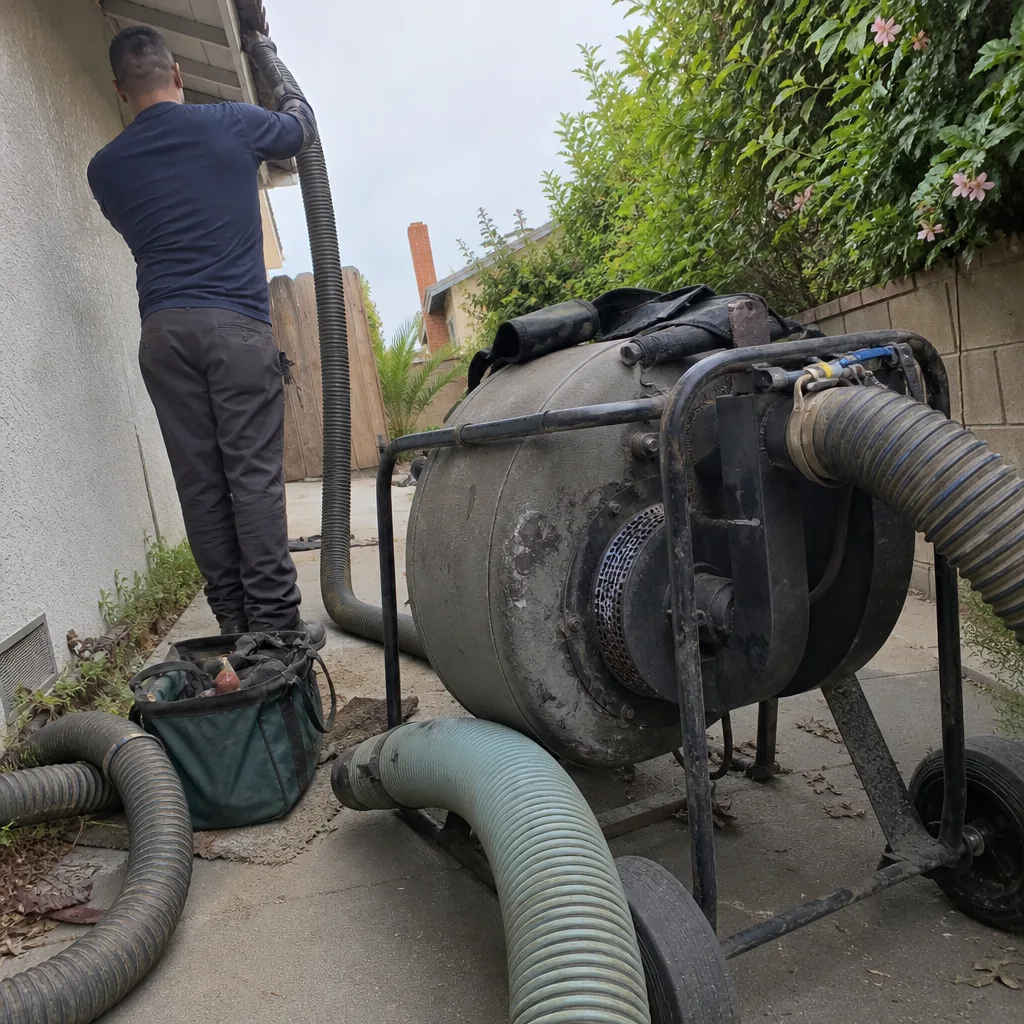 Before
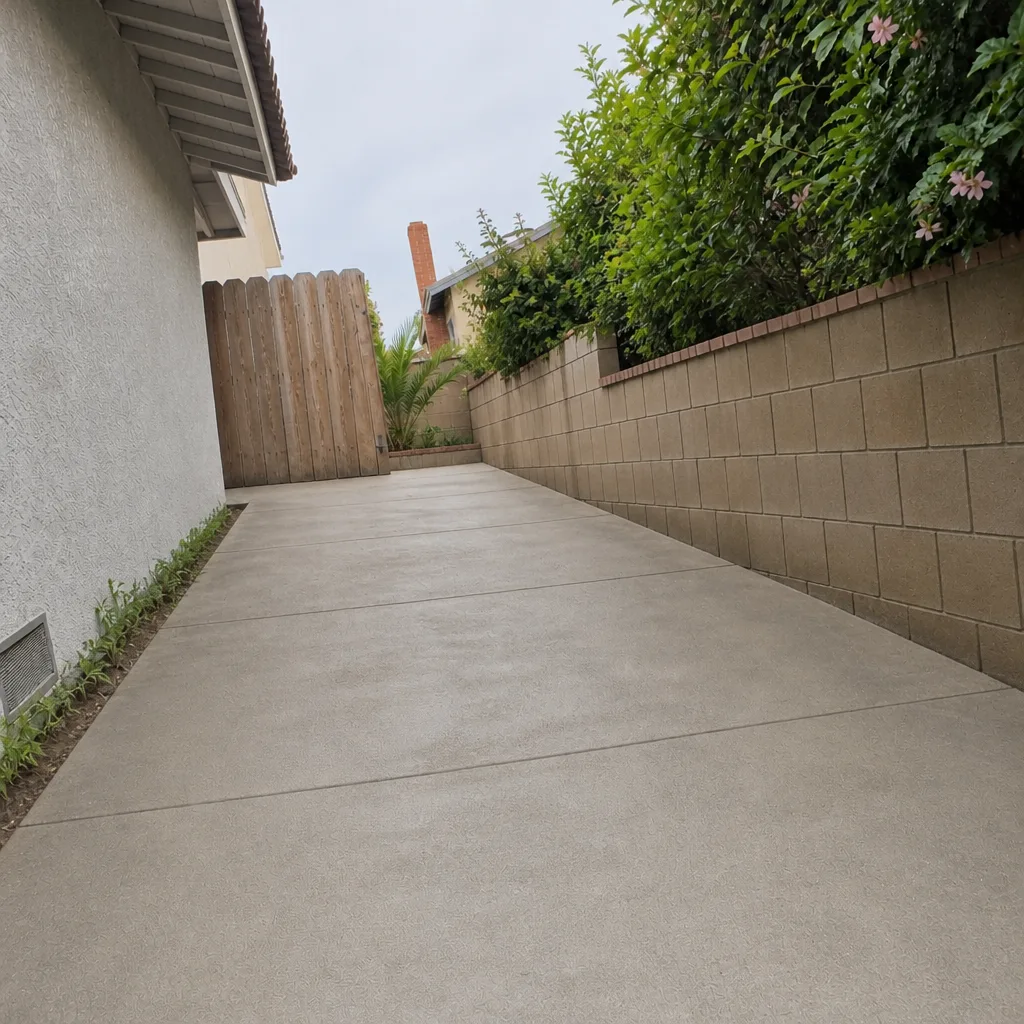 After
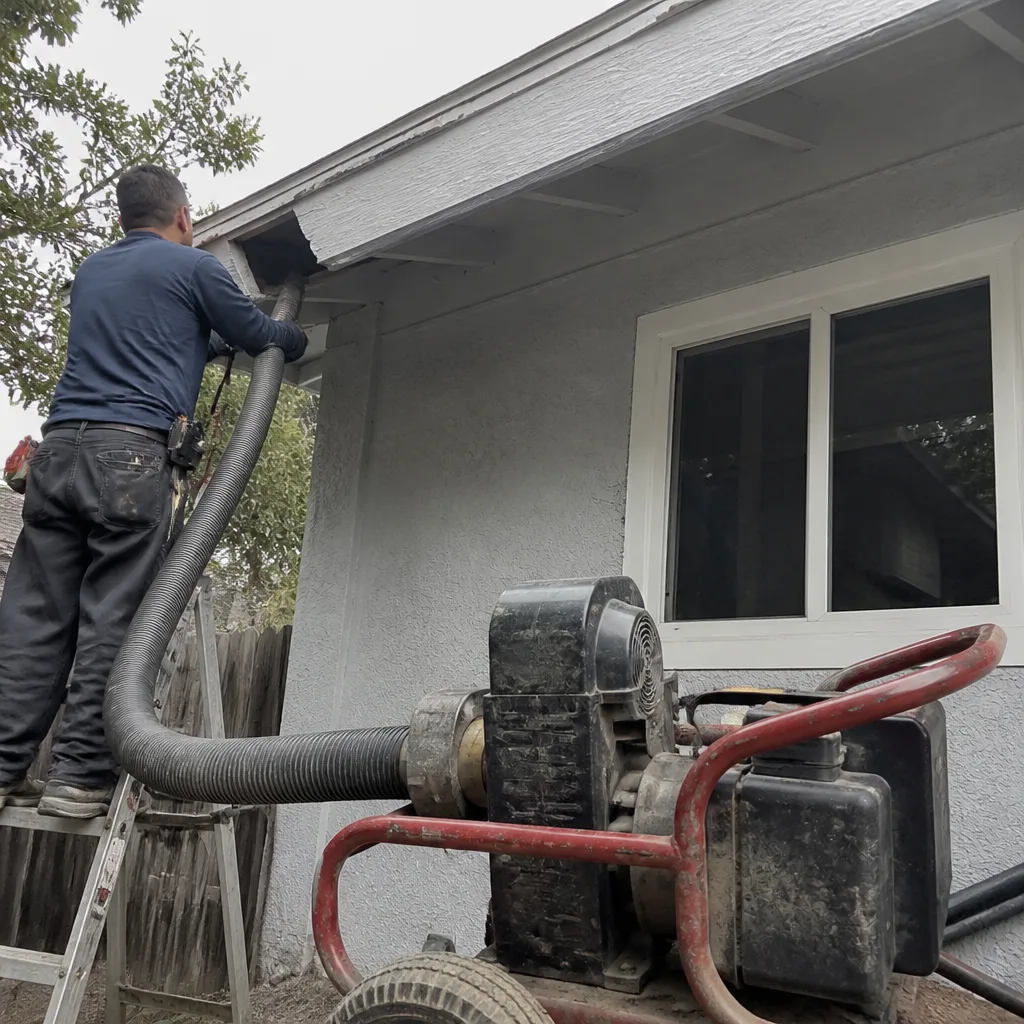 Before
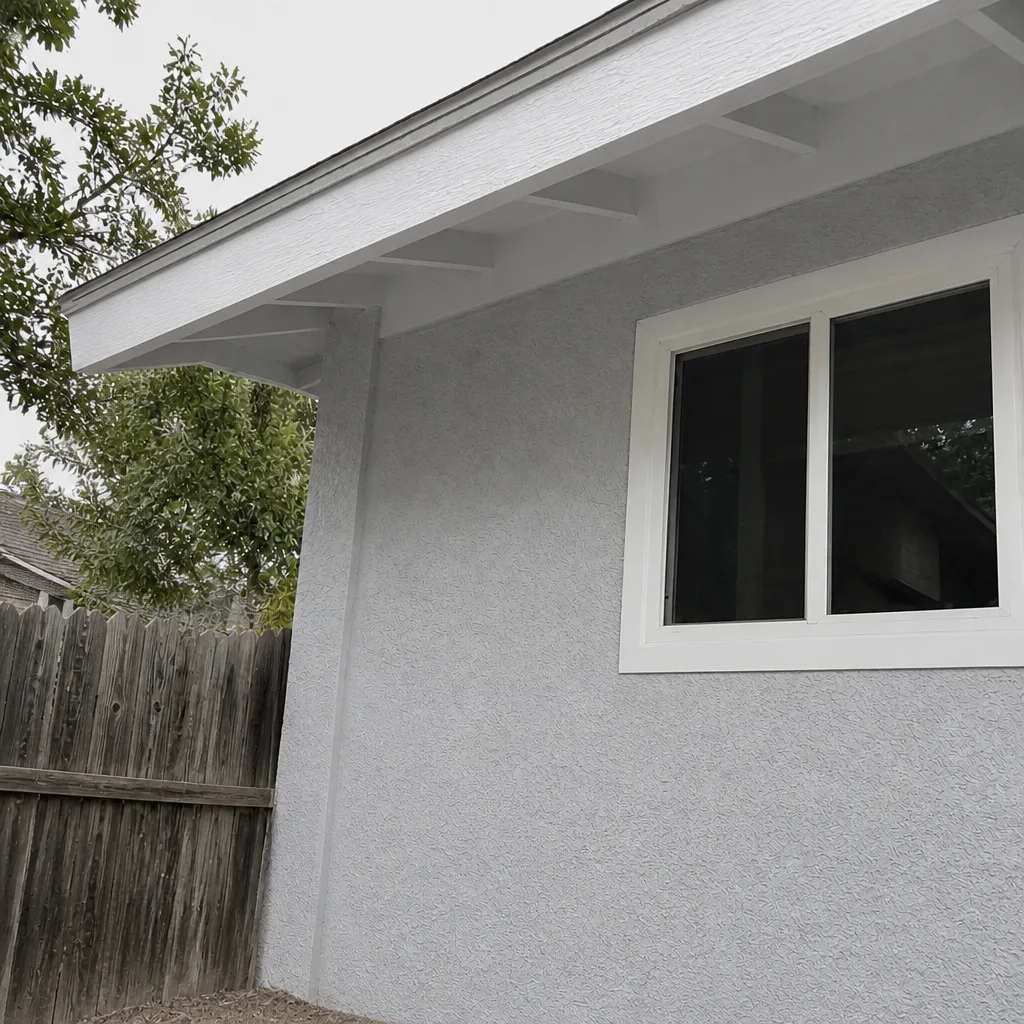 After
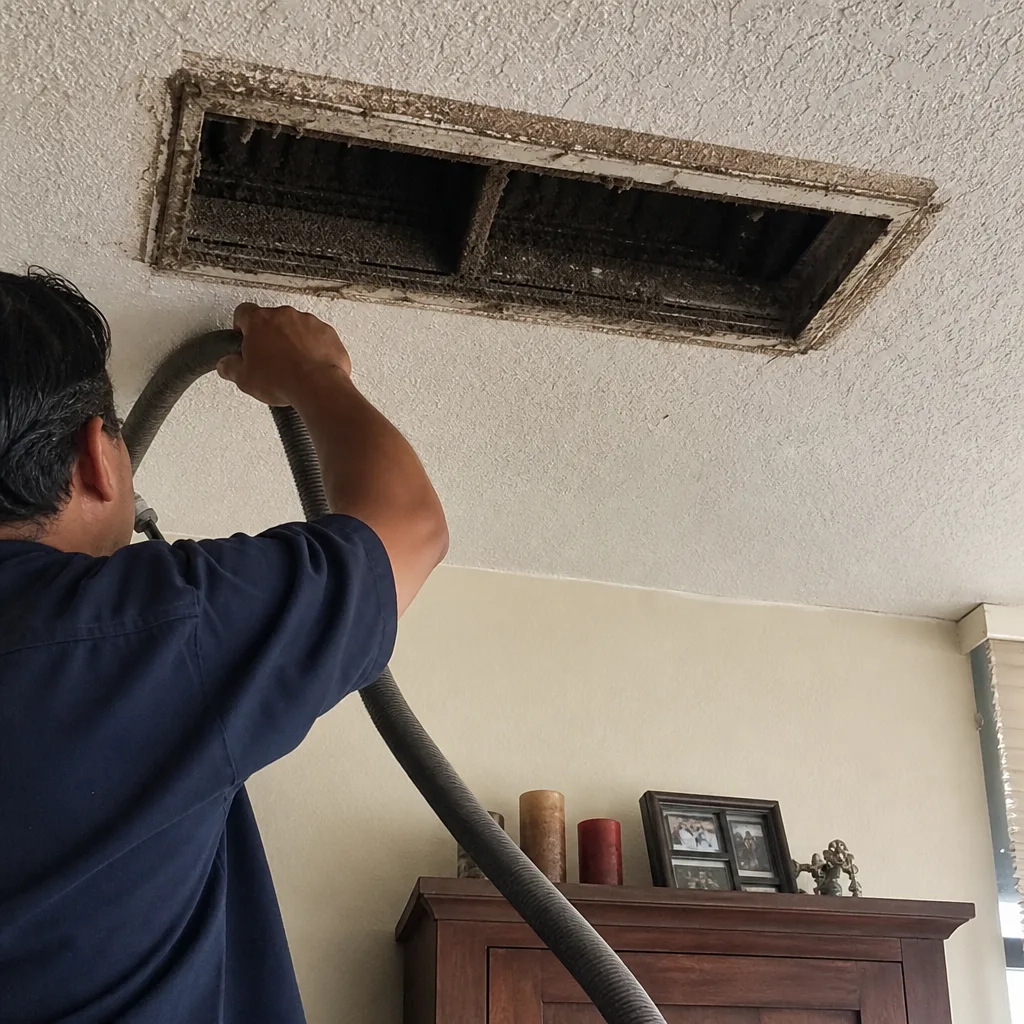 Before
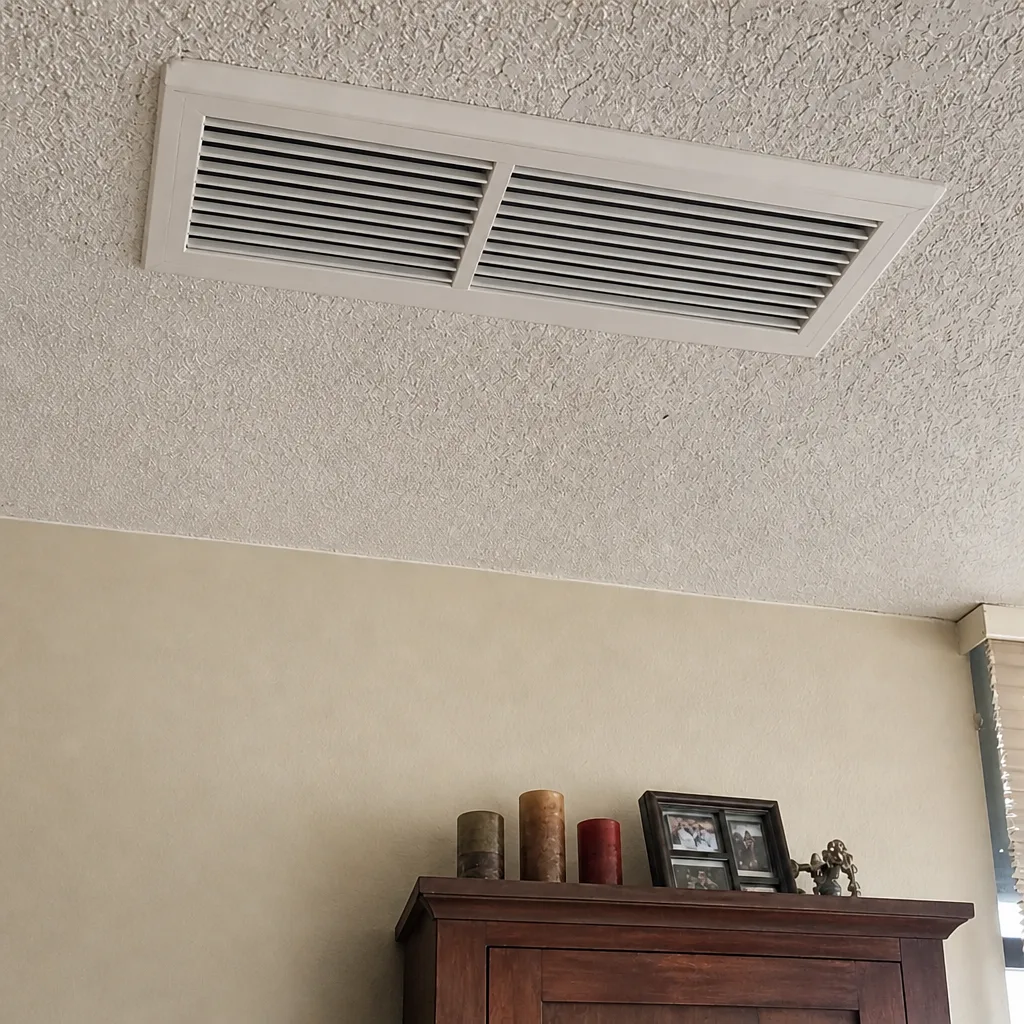 After
Common Mistakes to Avoid
- Cleaning only in spring. Spring cleaning misses the October to December wind accumulation entirely, which means the system runs through cooling season with material that landed after your last cleaning. Clean in late fall and you’ll catch the heaviest deposit period.
- Skipping the coil. A duct cleaning that leaves the evaporator coil untouched redistributes contamination from the coil back into the ducts on the first cooling cycle. If a quote doesn’t include coil inspection, ask why.
- Assuming a higher MERV filter is always better. An overly restrictive filter starves the blower and can actually increase duct contamination by changing airflow patterns. Match the filter to your system’s rating.
- Treating a smoke event as an air-freshening problem. Ozone generators and plug-in scents don’t remove smoke residue from the duct lining. Odor returning with the first heating cycle is the sign that the sanitizing step was skipped.
- Ignoring the dryer vent. The dryer vent is a separate system from the HVAC ducts, but it’s the fire-safety item most homeowners never check. Lint accumulation in the vent line is a genuine fire risk, and it’s a straightforward dryer vent cleaning task.
- Signing off on per-vent pricing. Per-vent pricing creates an incentive to count vents rather than clean the system. A flat price per system keeps the job honest.
- Letting a small duct leak stay a small duct leak. A disconnected joint in the attic or a torn flex run dumps conditioned air into the attic and pulls contaminated air into the return path. Duct repair and sealing is part of the fix, not a separate upsell.
When to Call a Professional
Some issues are worth a phone call. If a Santa Ana wind event left a visible film on your registers, if your system’s airflow has weakened at the far registers, if you smell something musty when the AC starts, or if the first heater run of the season produces a smell that persists past the first cycle, those are all reasons to book an inspection. Duct repair and sealing, coil cleaning, and post-smoke sanitizing all fall outside what a homeowner should attempt. Air Duct Cleaning East Anaheim offers free estimates in East Anaheim. Call (844) 834-1661. We answer 24/7, and fast dispatch runs from 7am to 7pm, Sunday through Friday. Our technicians have up to 12 years of experience.
Frequently Asked Questions
Every 3 to 5 years for most homes, with a cleaning scheduled in late fall to catch the Santa Ana wind accumulation. Homes with pets, allergy sufferers, or a recent wildfire smoke event should shorten that to every 2 to 3 years. If you’ve never had the ducts serviced, an inspection now is the right starting point rather than a scheduled cleaning.
Yes, and it’s the most overlooked factor in East Anaheim duct maintenance. Wind events create positive pressure outside the home, and that pressure pushes fine particulate through unsealed duct penetrations and around filter frames. You’ll see it as a fresh dust layer on surfaces within days of a significant wind event.
No, and this is the most common mistake we see. A high-MERV filter helps with what’s in the air at that moment, but it doesn’t remove what has already settled into the duct lining and on the coil. Smoke residue needs a professional cleaning and sanitizing step after the event, or the odor returns when the system runs again.
Evaporator coil condition, condensate drain function, and a duct interior check at the registers and return. The coil is the critical item, because a matted coil redistributes contamination through the whole system on the first cooling cycle. That’s why we schedule pre-summer service in April or early May rather than waiting until the first hot week.
Low quotes usually reflect either a per-vent price that grows once the technician is on site, or a vacuum-and-go visit that doesn’t include the coil or the far ends of the duct runs. We quote a flat price per system, agreed before work starts, and show you before-and-after photos of your own ducts. Call (844) 834-1661 for an exact quote – estimates are free.
Both, because cleaning without sealing leaves the root cause in place. A disconnected joint or a torn flex run pulls contaminated air into the system regardless of how well the ducts were cleaned. Duct repair and sealing is part of the service scope, along with HVAC cleaning, dryer vent service and air sanitizing. Call (844) 834-1661 for a free estimate.
The Bottom Line
East Anaheim’s climate gives you three duct stress periods, not four seasons: the Santa Ana wind window from October through December, a wildfire smoke window that opens when regional fires push particulate inland, and a cooling load that runs hard from late spring into fall. Plan your cleaning for late fall and your inspection for early spring, and use the quarterly 15-minute check to catch problems before they compound. The result is a system that isn’t constantly playing catch-up, a heating season that starts clean, and cleaner air circulating through the house year-round. Call (844) 834-1661 for a free estimate. We answer 24/7, and fast dispatch runs from 7am to 7pm, Sunday through Friday.
For a full picture of our service scope, start with Air Duct Cleaning East Anaheim. Related reading: our guide to dryer vent cleaning covers the fire-safety side of the system, and the HVAC cleaning page goes deeper on coil and air handler work for homes with heavy cooling loads.
Written by the team at Air Duct Cleaning East Anaheim.