
Abatement Technologies Air Duct Cleaning in East Anaheim: A Homeowner’s Guide
If a duct cleaning company mentions they’re bringing Abatement Technologies equipment to your job, the word “abatement” in the brand name is not incidental. This is remediation-grade gear, designed for mold, smoke, and hazardous particulate scenarios, not a standard dust cleaning. Homeowners in East Anaheim hear the name and assume it means a fancier vacuum. It doesn’t. It means the scope of the job has changed, and the protocol, timeline, and price change with it. Here’s what that actually looks like from the inside.
If you’d rather not sort through the technical side alone, call (844) 834-1661 and we’ll walk you through what your project likely needs.
What Abatement Technologies Equipment Is Actually Built For
Abatement Technologies builds equipment for source capture in contamination control work. That’s the honest answer. The HEPA-AIRE line and the PAS series air scrubbers are designed to pull particulate out of a work zone, hold it in HEPA filtration, and keep contaminated air from migrating into the rest of the home. That’s a very different brief from a standard duct cleaning rig.
Here’s the distinction that matters:
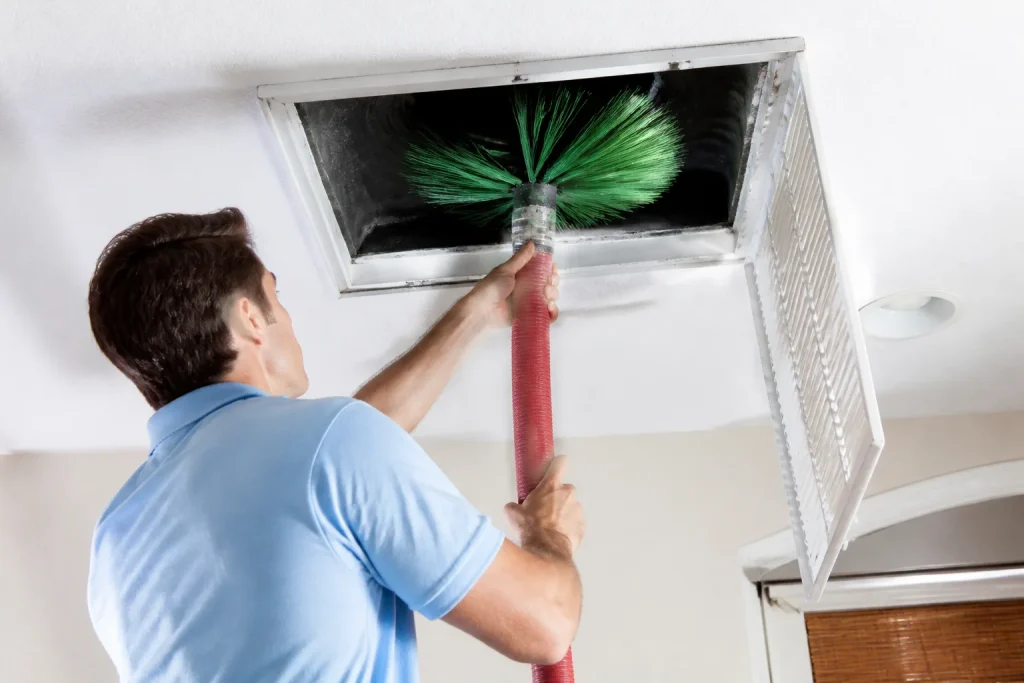
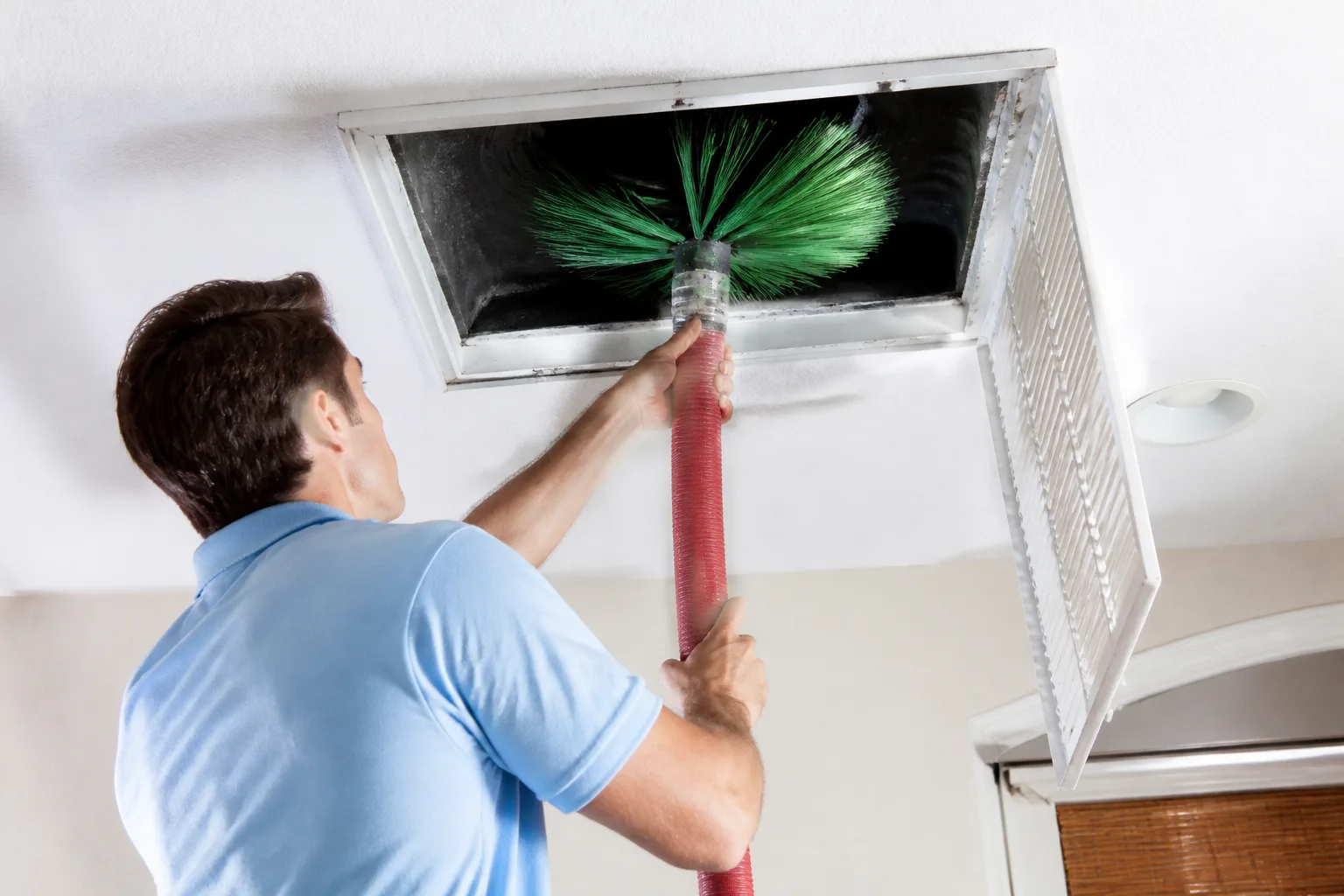
- Standard negative-air duct cleaning equipment (Rotobrush and Nikro are the two we run for this) attaches to the duct system, agitates debris with a rotary brush or air whip, and pulls it out through HEPA filtration. It’s excellently suited to the everyday accumulation of dust, pet hair, and construction debris in a residential system.
- Abatement Technologies scrubbers sit in the room, not on the duct. They create negative pressure in the living space itself, scrub the air through HEPA filters, and keep particulate contained while ductwork is opened up or when the contamination source is the air in the room, not just the ducts.
The practical difference: a Rotobrush or Nikro job cleans the ducts. An Abatement Technologies job cleans the ducts and controls what’s in the air around them. In East Anaheim, where a lot of housing stock was built in the 1960s through the 1980s with original or lightly-updated ductwork, we run into situations where both tools are the right answer on the same job. The equipment choices aren’t a marketing line; they’re a diagnosis of what’s actually in the system.
What Scenarios in East Anaheim Homes Justify Remediation-Grade Equipment
Most duct cleaning doesn’t require Abatement Technologies gear. We want to be direct about that, because the honest answer protects you from being upsold. Here are the three situations where remediation-grade equipment is genuinely the right call:
- Post-wildfire smoke infiltration. East Anaheim sits downwind of Southern California’s fire corridors, and the Santa Ana wind events that push smoke into the basin carry fine particulate that lodges in ductwork and filtration. Smoke residue isn’t just dust. It’s acidic and odor-bearing, and standard agitation can re-aerosolize it into the living space. Abatement Technologies scrubbers let us work the system without making the indoor air worse in the process.
- Confirmed mold in the HVAC system. If a visual inspection or surface test shows mold growth on the air handler, evaporator coil, or duct liner, the job shifts from cleaning to containment. HEPA-filtered negative air, sealed openings, and a post-job verification step aren’t optional in that scenario. They’re the whole point.
- Post-flood events affecting ductwork. Water intrusion that reaches ductwork, especially flex duct or insulated duct board, leaves a moisture problem behind. That ductwork is often replaced rather than cleaned, but the surrounding air handling equipment and the room it sits in still need remediation-grade air scrubbing to clear the microbial load.
If none of those apply in your East Anaheim home, you don’t need Abatement Technologies equipment. A professional-grade air duct cleaning with Rotobrush or Nikro will do the job thoroughly and at a lower scope. That’s a useful thing to know before someone quotes you for more.
How HEPA-Filtered Negative Air Changes the Cleaning Protocol
When a HEPA scrubber is on the job, the day looks meaningfully different from a standard cleaning. Here’s what changes:
- Containment setup. Openings to the living space are sealed, the scrubber is positioned to create negative pressure in the work zone, and we verify the pressure differential before touching the duct system. If we can’t hold negative pressure, we don’t proceed. Untrained use of a scrubber without proper sealing just moves contaminated air around.
- Air scrubbing duration. The scrubber runs before, during, and after duct agitation. “After” isn’t five minutes; it’s long enough to bring airborne particulate down measurably. On a real remediation job that can add hours to the day.
- Verification testing. Standard duct cleaning ends when the ducts look clean and airflow is restored. Remediation-grade work ends when a post-job check confirms it. That can include visible inspection of the duct interior, particle counting, or surface sampling, depending on what the original problem was.
The honest summary: HEPA-filtered negative air is slower, more methodical work. A job that would run a half day on standard equipment may run the full day or carry into a second visit. What you get in exchange is a cleaning that actually addresses the source rather than pushing particulate around.
If your system also needs sealing or repair (a common finding once we’re inside the ductwork), that’s often the right time to address it. Full HVAC cleaning, duct repair, and duct sealing are services we handle as one scope rather than bouncing you between contractors.
What Homeowners in East Anaheim Should Expect When This Equipment Is On-Site
We won’t oversell this. Remediation-grade duct work has real logistical costs, and you should know about them before you book.
- Longer job duration. The containment and scrubbing steps take time. Expect a longer day, and in severe cases, possibly two visits.
- Temporary relocation of occupants in severe cases. If the contamination involves confirmed mold or significant smoke residue, we may recommend that occupants, especially young children, elderly residents, or anyone with respiratory conditions, step out during the active cleaning phase. We’d rather flag that honestly than have you find out mid-job.
- A post-job clearance process. Before we call the job done, we inspect the duct interior visually, verify the air handler is clean, and confirm the system is running with proper airflow. If there’s a testing step in scope, that happens before sign-off, not after.
We also do the standard-clean and remediation work under the same care standards. That’s why we also keep dryer vent cleaning in our scope: a lot of the same equipment and the same attention to airflow apply, and it’s a fire-safety service that gets overlooked. If you’re already having us out for the ducts, the dryer vent is worth a look while we’re there.
How to Verify a Company Is Running Abatement Technologies Gear Correctly
This is the part most homeowners don’t ask, and it’s the most important one. Abatement Technologies equipment in untrained hands doesn’t deliver the containment it’s designed for. The scrubber runs, the homeowner sees a serious-looking machine, and the actual air quality benefit is thin because the containment was never set up right.
Here’s what to ask and what to look for:
- Ask what the containment plan is. A proper answer describes sealing openings, positioning the scrubber, and verifying negative pressure. A vague answer (“we run a HEPA filter while we work”) tells you the equipment is a prop, not a tool.
- Ask whether the job includes verification. “We visually inspect” is fine for a standard cleaning. For remediation-grade work, “we test after” should be part of the answer.
- Ask whether ducts will be repaired or sealed if the inspection finds gaps. Abatement Technologies work isn’t complete if the system leaks air afterward; the contamination gets back in. Repair and sealing should be a natural part of the scope, not a separate upsell conversation. The Guardsman line of protective products is the finishing standard we work to on that side of the job.
- Ask what they’d recommend if the answer were “no additional equipment needed.” If a company can’t tell you when Abatement Technologies gear isn’t the right call, they’re selling equipment, not diagnosing the problem.
Our technicians have up to 12 years of experience running this equipment, and the questions above are the ones we’re comfortable being asked. If you’re also looking at whole-home filtration or humidity control while the system is open, we work with Aprilaire and Honeywell systems, and those upgrades integrate cleanly with a duct job rather than as a separate project.
When to Call a Pro
If you’re already hearing rumbling in the ducts, seeing visible dust plumes from the registers after the HVAC kicks on, or smelling musty air when the system runs, the system is telling you something. It’s time to inspect. If you’ve had a fire nearby, a water event, or if anyone in the home has developed a new respiratory sensitivity tied to the HVAC system, call a professional before deciding whether you need cleaning or remediation. The wrong call here means re-contaminating a system you just paid to clean. Professional-grade air duct cleaning in East Anaheim starts with an inspection before anyone quotes a price.
The Bottom Line
Abatement Technologies equipment is a signal, not a sales pitch. When it shows up on an East Anaheim job, it should mean one of three things is true: post-wildfire smoke, confirmed mold, or a flood-affected system. If none of those apply, standard professional-grade cleaning with Rotobrush or Nikro is the right scope and the right price. If one of those applies, remediation-grade equipment and containment protocol are worth the extra time and cost. The questions to ask: What’s the containment plan? What does verification look like? And does the quote include repair and sealing, or does it stop at “clean”?
If you’re in East Anaheim and need help, Air Duct Cleaning East Anaheim offers free estimates. Call (844) 834-1661. We answer 24/7. Fast dispatch from 7am to 7pm, Sunday through Friday. The local pro is licensed and insured as their state requires, and we’ll walk you through what your job actually needs before anyone touches a duct.
Frequently Asked Questions
Not necessarily, but it means a company is preparing for a scenario where contamination is possible. We bring it when we’re dealing with smoke residue, suspected mold, or flood-affected systems. On a standard dusty system, Rotobrush or Nikro does the job without the extra containment. Call (844) 834-1661 and we’ll inspect first, then tell you what scope your ducts actually need. Estimates are free.
Remediation-grade work costs more than standard cleaning because of containment setup, longer scrubbing time, and any verification testing. The right way to price it is per system, by written estimate, after an inspection. We don’t quote pricing off the back of a phone call, and we don’t quote per-vent prices. Call (844) 834-1661 for an inspection and a written estimate specific to your home.
Usually yes, especially for standard-cleaning work that includes a HEPA scrubber. For confirmed mold or heavy smoke remediation, we may recommend that young children, elderly residents, or anyone with respiratory conditions step out during the active cleaning phase. We’d rather flag that before the day starts than mid-job. Call (844) 834-1661 to talk through your specifics.
Three things: a visible inspection of the duct interior before sign-off, confirmation that airflow through the system has been restored, and a post-job clearance step for remediation-grade work. Ask to see interior photos. Ask what the verification step is. Any company running Abatement Technologies gear should be able to answer both without hesitation. If they can’t, call (844) 834-1661 and we’ll be glad to give you a second opinion. Estimates are free.
Written by the team at Air Duct Cleaning East Anaheim.
Need Air Duct Cleaning Help?
Call Air Duct Cleaning East Anaheim - the local pro we connect you with is licensed and insured, with free written estimates in East Anaheim.
(844) 834-1661